Iceland is undoubtedly one of the best countries for an independent road trip.
It’s relatively small, meaning the distances are manageable, but it also packs a punch, with scenic roads and beautiful viewpoints just off the main routes.
One thing to remember, however, is the weather can shift super quickly, changing the driving conditions. So, smart route planning is essential - here are the best things to do in Iceland and how to plan for them.
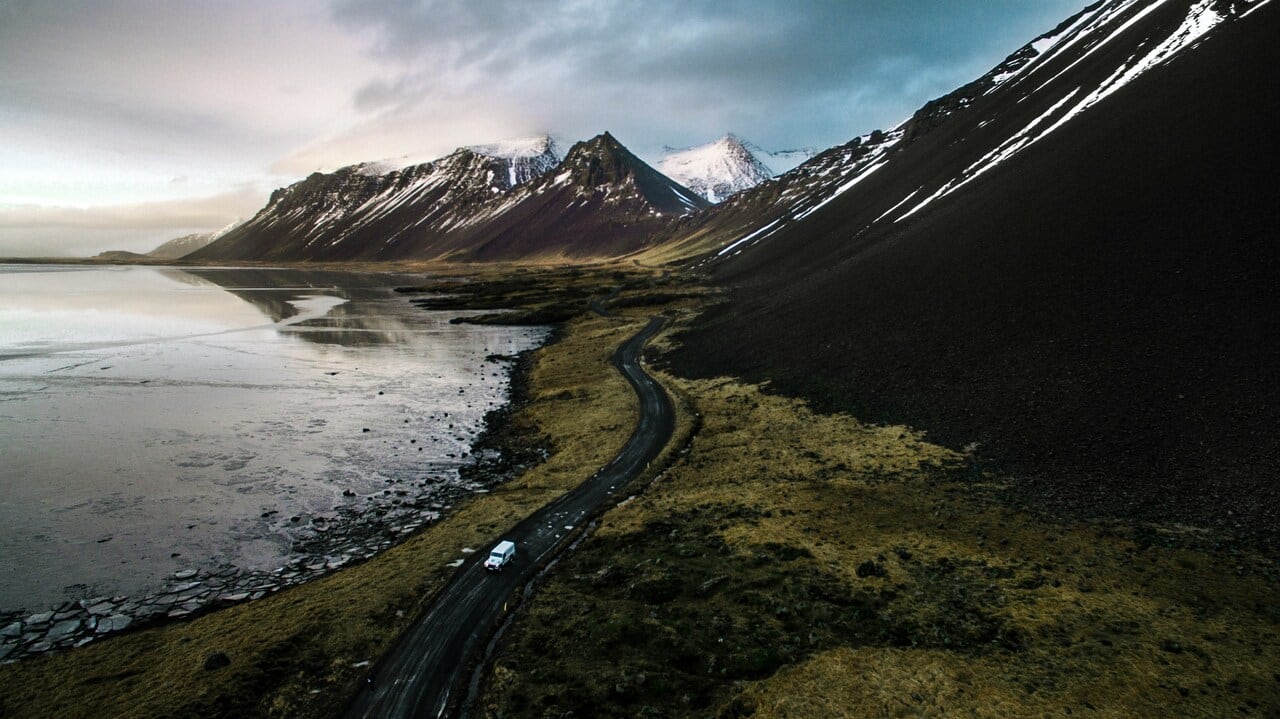
Visit Iceland like a pro (quick planning)
Best time to visit
Iceland welcomes tourism all year, but the experience is very different with each season.
- Summer (June - September): the days are long and the driving conditions are easiest, although you’ll also find the roads can get quite busy.
- Winter (November - March): winter season is just as popular, due to being the ideal time for aurora spotting, but it comes with short days and, potentially, harsh weather conditions (snow, ice and storms).
- Shoulder season (May or September - October): if you want fewer crowds, the shoulder season is a good option, providing decent daylight and mixed weather.
How many days you need
The number of days will depend on how much you want to fit into your Iceland road trip. Here are some examples sample Iceland itineraries:
- 3 days: Reykjavík + Golden Circle + South Coast highlights (e.g. waterfalls and beaches).
- 5 days: Add more attractions around the South Coast (e.g. exploring the Vik village and visiting the Thingvellir National Park).
- 7 days: A faster-pace Ring Road itinerary (major stops).
- 10 days: Well-balanced Ring Road itinerary with buffer days and potential add-ons (e.g. Snæfellsnes or Westfjords).
When planning your itinerary, remember to stay realistic and practical. If you try to fit in too much in one day, you’ll spend a lot of your time in the car, rather than enjoying the beautiful attractions.
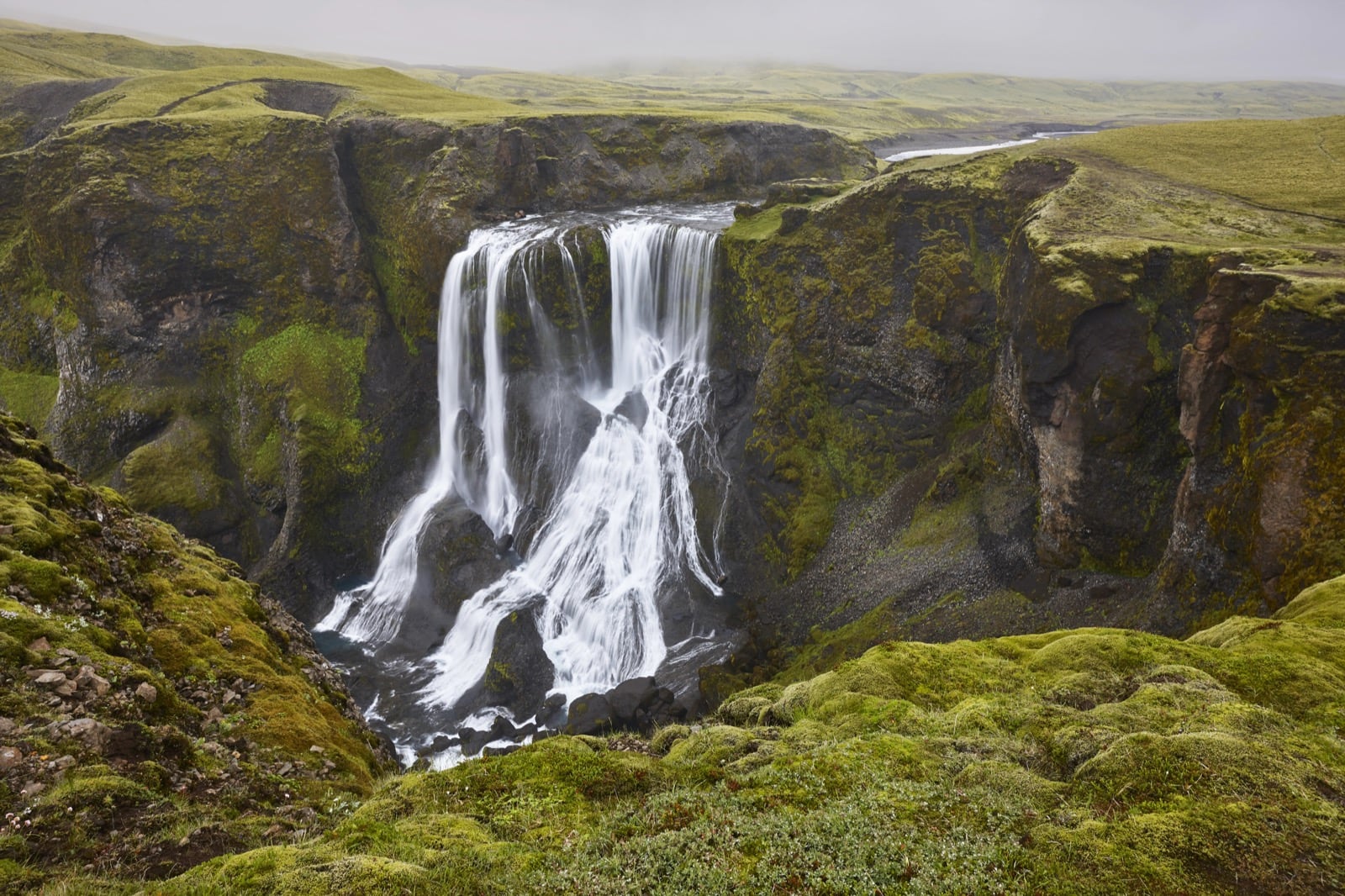
Budget notes
Iceland road trip budgets can vary greatly, depending on your personal preferences and choices.
For instance, accommodation costs could range from $15 (camping) to $50 (hostels) and $150+ (hotels) per night. Fuel is another significant cost, which could be $20 - $50 per day (depending on your itinerary). Hiring a campervan is an excellent option to combine the costs (vehicle and accommodation in one), while also having extra freedom.
When it comes to food, the most budget-friendly option is to shop at supermarkets and cook your own meals. Dining in restaurants or drinking alcohol in bars will, of course, add considerable costs. Therefore, this could be anywhere from $25 to $120+ / per day / per person.
Getting around Iceland (car vs campervan vs tours)
Choosing how to get around Iceland will shape your entire trip. The below table compares the 3 most common options: car, campervan and tours.
|
Mode of travel |
Best for |
Considerations |
|
Car + hotels / guesthouses |
Winter travel, comfortable day trips and city bases |
Less accommodation flexibility (higher demand) |
|
Campervan |
Summer or shoulder seasons, spontaneous routing and lots of flexibility |
Campsite planning and rules to follow |
|
Tours |
No driving, guided logistics (all is done for you) |
Less independence or flexibility, compromises |
So, if you’re planning hotels and day trips, a rental car is usually the simplest option - you can compare pickup locations (Reykjavík/Keflavík) and vehicle types with ReykjavikCars.
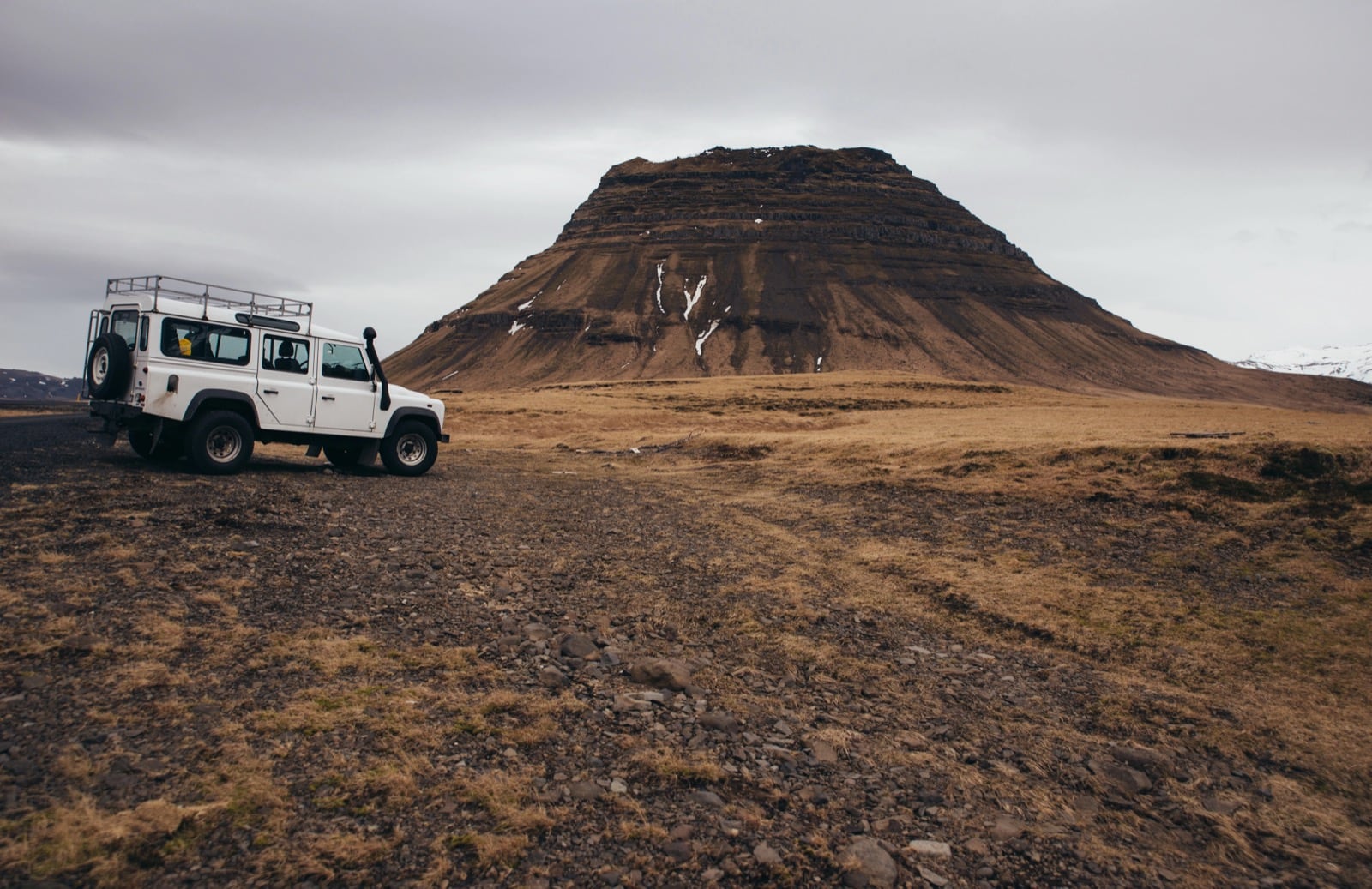
Best things to do in Iceland (by region)
Here are some of the most popular regions in Iceland and the must-visit attractions within them:
Golden Circle
Time to spend: half-day to full day.
Driving time: starting and finishing in Reykjavík, the loop includes around 3 hours of driving.
Top attractions:
- Thingvellir National Park
- Geysir geothermal area
- Gullfoss Waterfall
South Coast
Time to spend: 1 to 2 days.
Driving time: 2-3 hours from Reykjavík.
Top attractions:
- Seljalandsfoss waterfall
- Skógafoss waterfall
- Svartifoss waterfall
- Reynisfjara black sand beach
- Fellsfjara (Diamond Beach)
- Jökulsárlón glacier lagoon
- Dyrhólaey viewpoint
- Sólheimajökull glacier tongue
- Fjaðrárgljúfur canyon
- Charming village of Vík
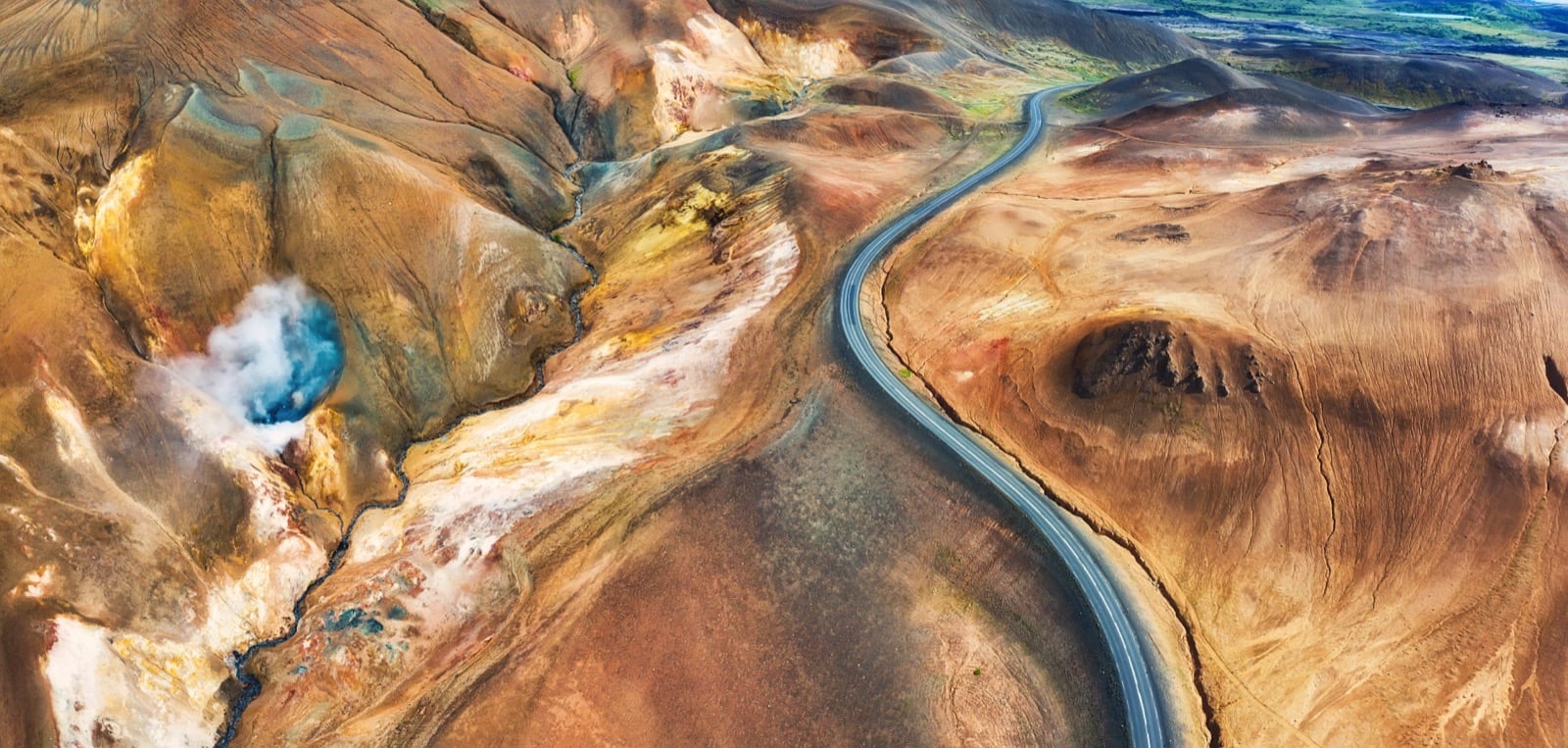
Eastfjords
Time to spend: 2 to 3 days
Driving time: 8-10 hours from Reykjavík or 4-5 hours from Vík to Egilsstaðir.
Top attractions:
- Stuðlagil canyon
- Hengifoss and Litlanesfoss waterfalls
- Vök baths
- Vestrahorn mountain
- Hallormsstaður forest
- Seyðisfjörður town
- Borgarfjörður Eystri
- Djúpivogur
- Eskifjörður
- Petra's Stone Collection
North Iceland
Time to spend: 1 to 2 days.
Driving time: 1 hour from Akureyri to Mývatn.
Top attractions:
- Mývatn lake
- Goðafoss waterfall
- Húsavík (whale-watching)
- Dimmuborgir
- Krafla Volcano
- Námaskarð and Hverir geothermal spots
- Dettifoss waterfall
Snæfellsnes Peninsula
Time to spend: full day.
Driving time: 2 hours from Reykjavík.
Top attractions:
- Kirkjufell mountain and Kirkjufellsfoss waterfall
- Snæfellsjökull glacier
- Lóndrangar cliffs
- Arnarstapi village
- Hellnar village
- Djúpalónssandur beach
Campervan tips
Exploring Iceland with a campervan can be brilliant, but it does require careful planning around the weather and the local rules. Here are some tips to make it easier:
Camping basics and etiquette
Camping outside of designated campsites is generally not allowed unless you have landowner permission (an official reference may be needed). Therefore, plan and book your campsites carefully for each night.
Remember that campsites are used by many other people, so keep your noise low and follow a leave-no-trace etiquette.
Safety resources
Weather can be unpredictable in Iceland, so it’s best to stay informed with the latest weather forecasts and road conditions. Use local apps, such as SafeTravel, which provide wind warnings and safety alerts.
Vehicle choice
Choose a campervan vehicle that matches your route and season (e.g. if you’re doing the Ring Road itinerary in the winter, you’ll want a well-insulated vehicle with heating, warm sleeping bags and a kitchenette). CampervanReykjavik is a good starting point to check different options.
Other practical tips
- Clothing: The wind in Iceland can be harsh even in the summer - pack warm, wind-proof and rain-proof layers that you can put on and take off as needed. Don’t forget comfortable hiking shoes that are already worn-in.
- Campsite facilities: Not every campsite is the same. If you need to use shower or laundry facilities, make sure your chosen campsite offers them.
- Phone and chargers: Keep your phone charged at all times and ensure you have access to internet connection or GPS. A power bank can also be handy on long days exploring.
FAQs
Do I need a 4x4?
Depends on your chosen route and season. The Golden Circle, Reykjavík day trips and most of the Ring Road offer good conditions, even in the winter. However, the F-roads (Highlands) are unpaved with seasonal access only, and a 4x4 vehicle is mandatory by law.
Is Iceland doable in winter?
Absolutely! An Iceland road trip in the winter may require extra flexibility and compromises (due to short days and weather conditions), but it’s perfectly doable with smart planning.
Where can I camp / how do campsites work?
Use official campsites, which can be found all throughout the country. The facilities and pricing will vary, while some may only operate seasonally. It’s best to plan your stays in advance.
How much driving per day is reasonable?
This is completely down to you. Generally, it’s reasonable to drive for 2 to 4 hours on the sightseeing days, and 4-7 hours on transit days.
A road trip like no other
Iceland is truly an incredible destination for road trips… With so much to do and see in each region, planning your trip carefully is important - of course, leaving some room for spontaneous detours! So, start by deciding the very basics (when, how long and what mode of travel) and build the rest from there.
Photo source: depositphotos.com







Write Your Comment
Please DO NOT include links, URLs or HTML in your comments - they will be automated deleted and you will waste your time.