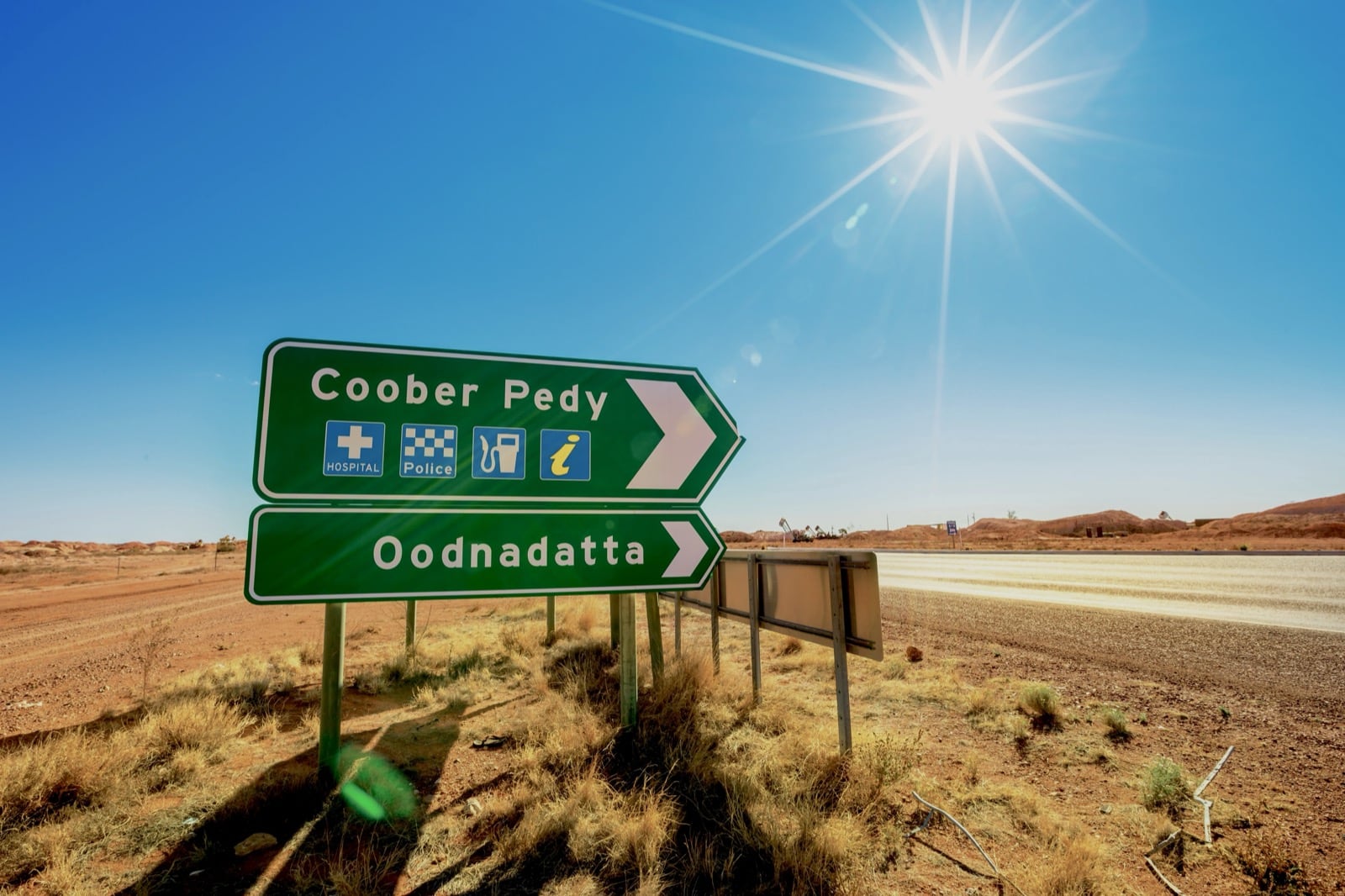
Picture this: rust-red earth stretching toward sapphire skies, winding coastal roads where wild ocean meets rugged cliffs, and wide-open highways where kangaroos outnumber cars.
South Australia delivers all this and more. For visitors ready to explore beyond the guidebook basics, hitting SA roads offers freedom that no tour bus can match.
But before turning keys in the ignition, there are essentials every visitor should know. From legal requirements to regional quirks, understanding SA driving culture makes all the difference between smooth sailing and unexpected hassles.
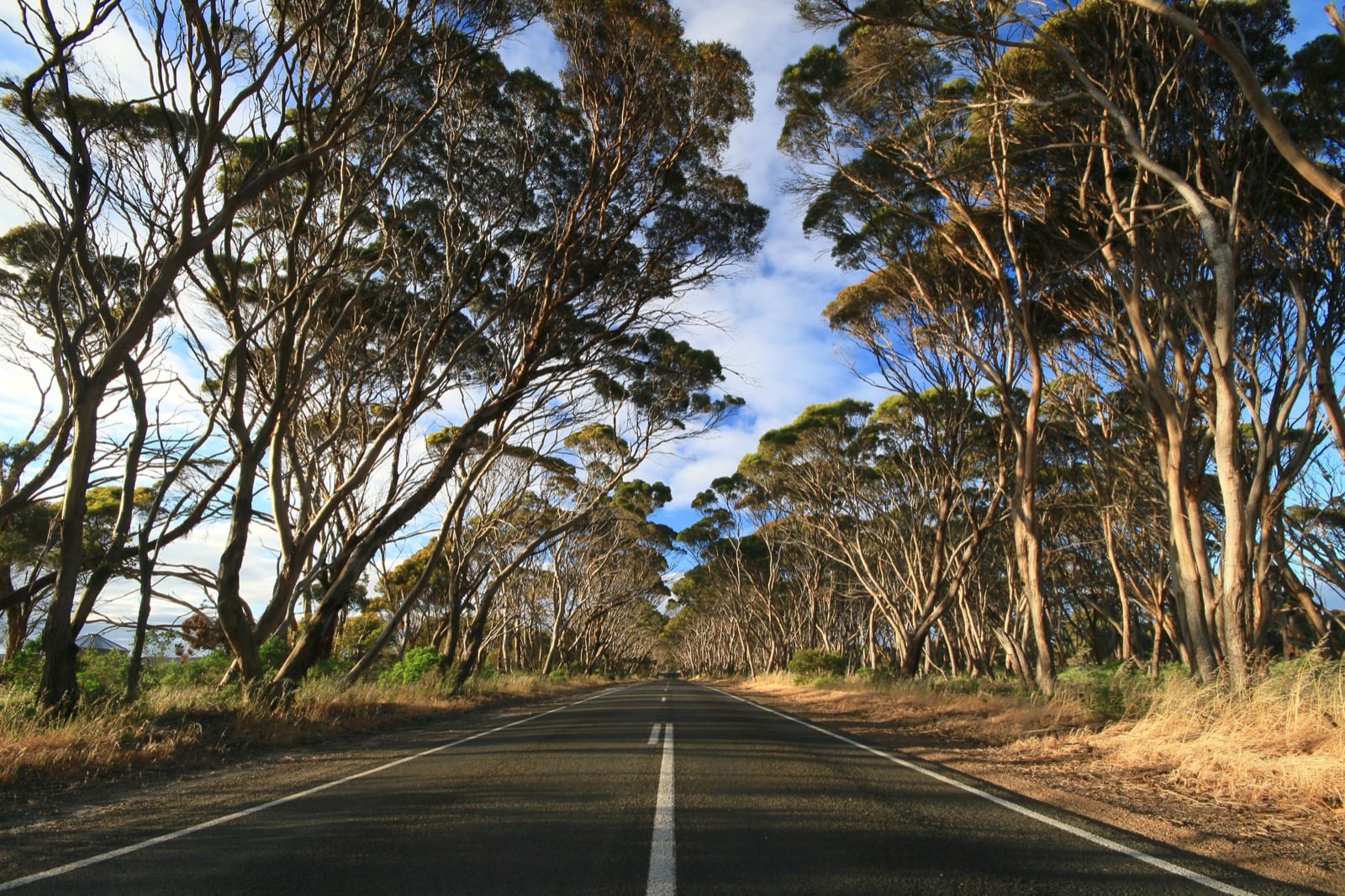
Getting Behind the Wheel: Licenses and Legalities
International visitors can drive in South Australia with a valid overseas license in English or accompanied by official translations. Non-English licenses require an International Driving Permit arranged before departure.
Most rental companies require drivers aged 21+, with under-25 fees common for specialty vehicles. Speed limits follow clear patterns: 50 km/h in built-up areas, 100-110 km/h on highways, and 25 km/h in school zones. Police actively enforce these limits on popular tourist routes.
Understanding Mandatory Insurance Requirements
Here's where many visitors get confused: South Australia requires specific insurance before any vehicle hits the road. When registering vehicles in SA, you must haveCTP insurance in South Australia, which covers medical treatment and lost income for people injured in accidents you cause. This applies whether you own a car or rent one.
Rental vehicles typically include this coverage in their rates, but confirming before signing contracts saves headaches later. CTP insurance covers passengers, pedestrians, and other drivers injured in accidents. What it doesn't cover is damage to vehicles or property. That's where comprehensive rental insurance comes in, which most rental companies offer as optional extras.
Smart travellers review both types carefully. CTP handles injury-related costs, while comprehensive coverage protects against vehicle damage, theft, and third-party property claims. Together, they create protection that lets you enjoy SA roads with confidence.
Choosing Your Route: Regional Highlights Worth the Drive
South Australia rewards adventurous drivers with diverse landscapes packed into manageable distances. Adelaide sits perfectly positioned as your base.
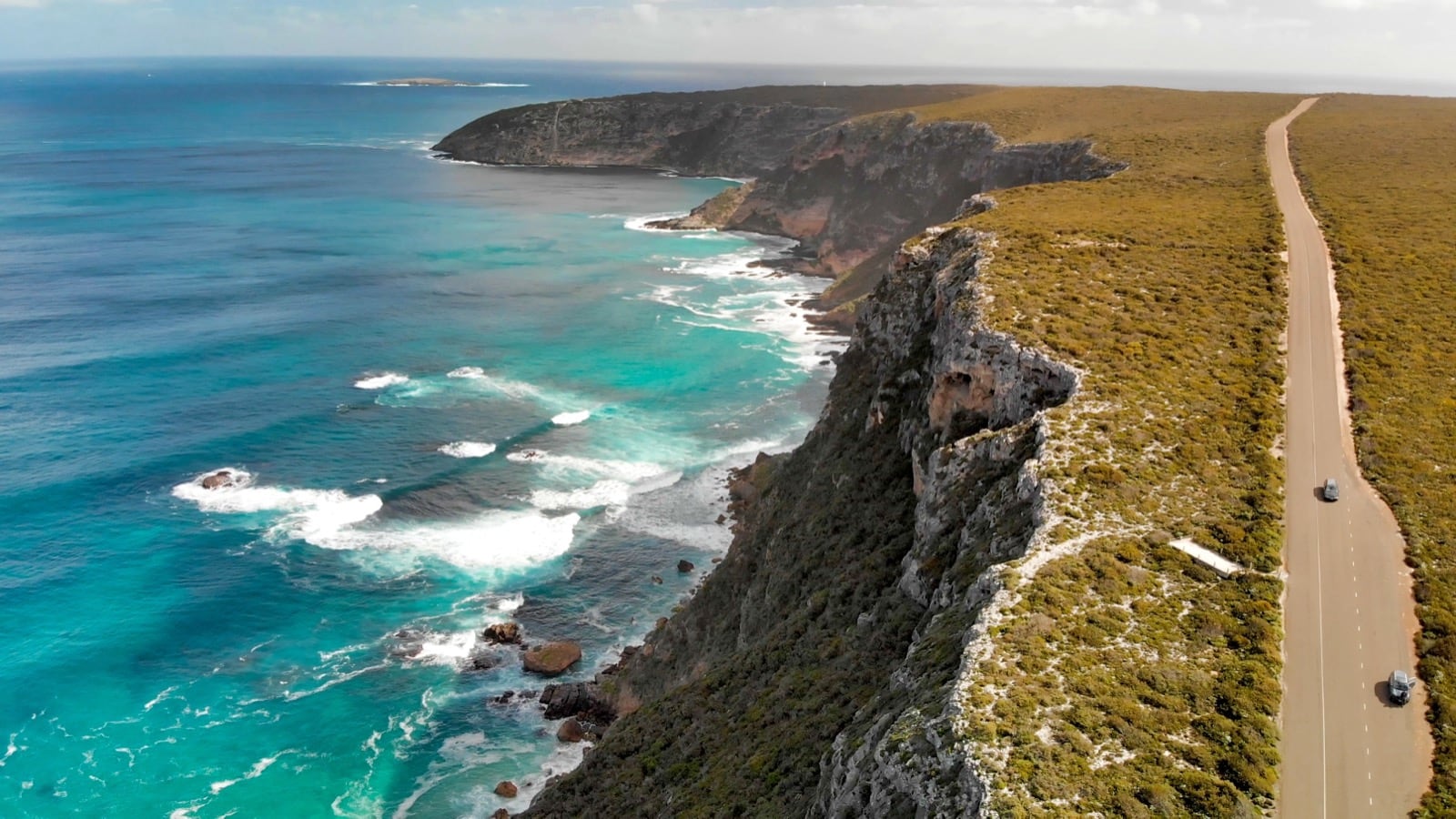
Clare Valley delivers world-class wines just 90 minutes north. Sample Rieslings at cellar doors and grab fresh produce from roadside stalls. Head south to the Fleurieu Peninsula for coastal magic, where Victor Harbour sits 80 kilometres from Adelaide. Southern right whales visit these waters between May and October.
The Limestone Coast offers jaw-dropping sinkholes and pristine beaches. Mount Gambier's Blue Lake transforms into brilliant cobalt each November through March, making it worth the four-hour drive.
Practical Road Trip Essentials
SA distances deceive travellers used to compact regions. Stock vehicles with plenty of water, especially during summer when temperatures soar past 40°C. Fuel stations become scarce outside major towns, so fill tanks when opportunities arise. Remote Outback routes demand planning because services sit 200+ kilometres apart.
Summer heat creates challenging conditions, while winter brings pleasant temperatures but occasional heavy rains. CheckBureau of Meteorology forecasts before heading regional.
Wildlife on Roads: Real Risks Worth Respecting
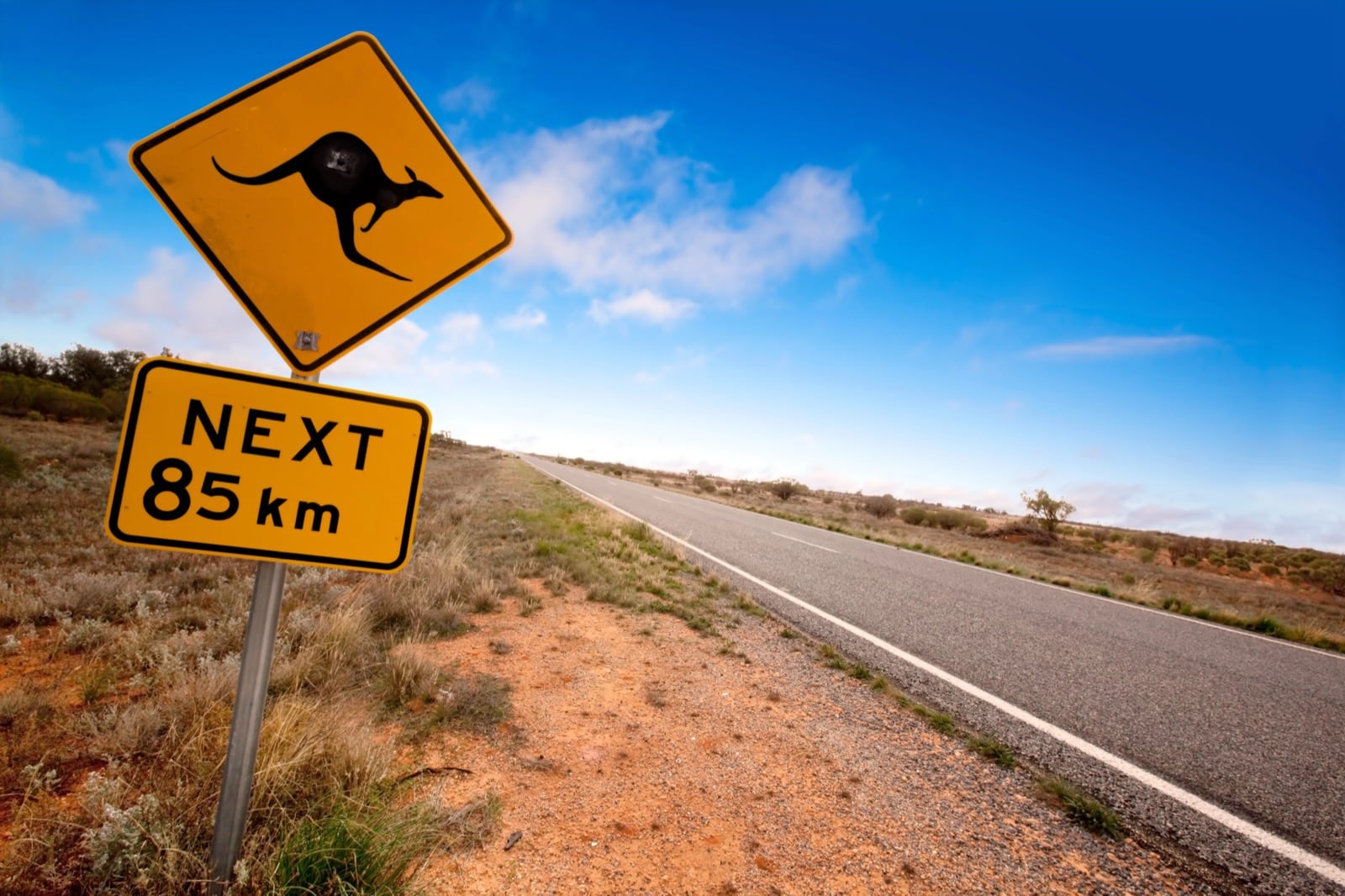
Kangaroos, emus, and wombats cross roads at inconvenient moments. Dawn and dusk present the highest risk when animals move between feeding areas. Reduce speeds during twilight, scan roadsides continuously, and brake firmly if animals appear. Controlled braking beats swerving every time.
Report injured animals to wildlife rescue services. Never approach large animals because frightened kangaroos kick with devastating force.
Parking and City Navigation
Adelaide offers stress-free city driving with grid layout navigation. Street parking operates on meter systems during business hours. Download the EasyPark app for convenient payment. Popular coastal areas like Glenelg experience parking crunches during summer weekends, so arrive early or use public transport.
Camping and Overnight Options
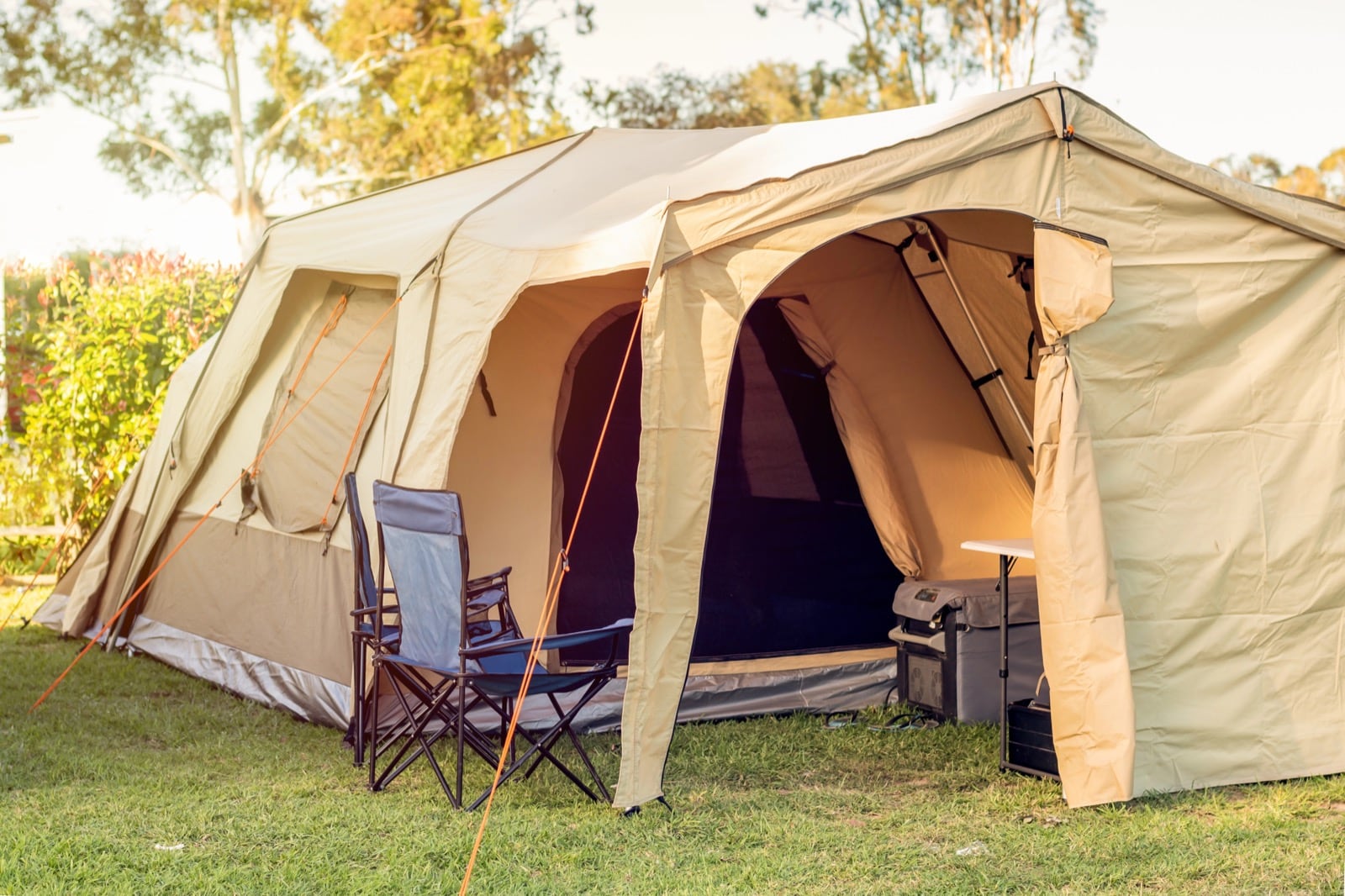
Freedom camping rules vary across regions. Many coastal areas prohibit overnight vehicle camping except at designated sites. National parks offer excellent facilities, though advance bookings become essential during school holidays. Caravan parks provide reliable alternatives with amenities at $30-50 nightly for unpowered sites.
Food Stops and Emergency Contacts
South Australia produces incredible food available from farm gates and roadside stalls. Regional bakeries serve legendary pies. Ask locals for recommendations because hidden gems rarely advertise. Pack snacks for remote stretches, and bring refillable water bottles for excellent tap water.
Program emergency numbers before departure: 000 for emergencies, 131 444 for non-emergency police. Download offline maps because mobile coverage drops outside metro areas. RAA offers roadside assistance worth considering for extensive regional driving.
Best Times and Money-Saving Tips
Spring (September-November) delivers perfect conditions with wildflowers and comfortable temperatures. Summer suits beach lovers despite the intense heat. Autumn brings harvest festivals and cooler regional driving. Winter transforms Adelaide Hills into cozy retreats with mild coastal weather year-round.
Save money by filling tanks in Adelaide, where competition keeps prices lower. Stock up on supplies at major supermarkets before heading regional. Many attractions offer combination tickets worth investigating through the South Australian Tourism Commission website.
Respecting Local Communities
South Australians pride themselves on friendly attitudes. Support local businesses and follow community standards. Take all rubbish, practice "leave no trace" principles, and respect Aboriginal cultural sites. Never climb on rock art or remove artifacts.
Making It Happen
South Australia rewards visitors willing to venture beyond Adelaide. Understanding legal requirements, respecting local conditions, and planning thoughtfully transforms good trips into great adventures.
For more destination guides and travel planning advice, explore comprehensive travel tips that help make every adventure smoother. If you're concerned about staying safe while exploring, check out this guide on how to prevent the worst travel problems before they happen.
Pack smart, drive safe, and let South Australia's roads lead you to discoveries worth sharing for years.
Photo source: depositphotos.com











Write Your Comment
Please DO NOT include links, URLs or HTML in your comments - they will be automated deleted and you will waste your time.