Northern Europe usually brings up images of Baltic ferry ports, summer cabins, or green Norwegian fjords.
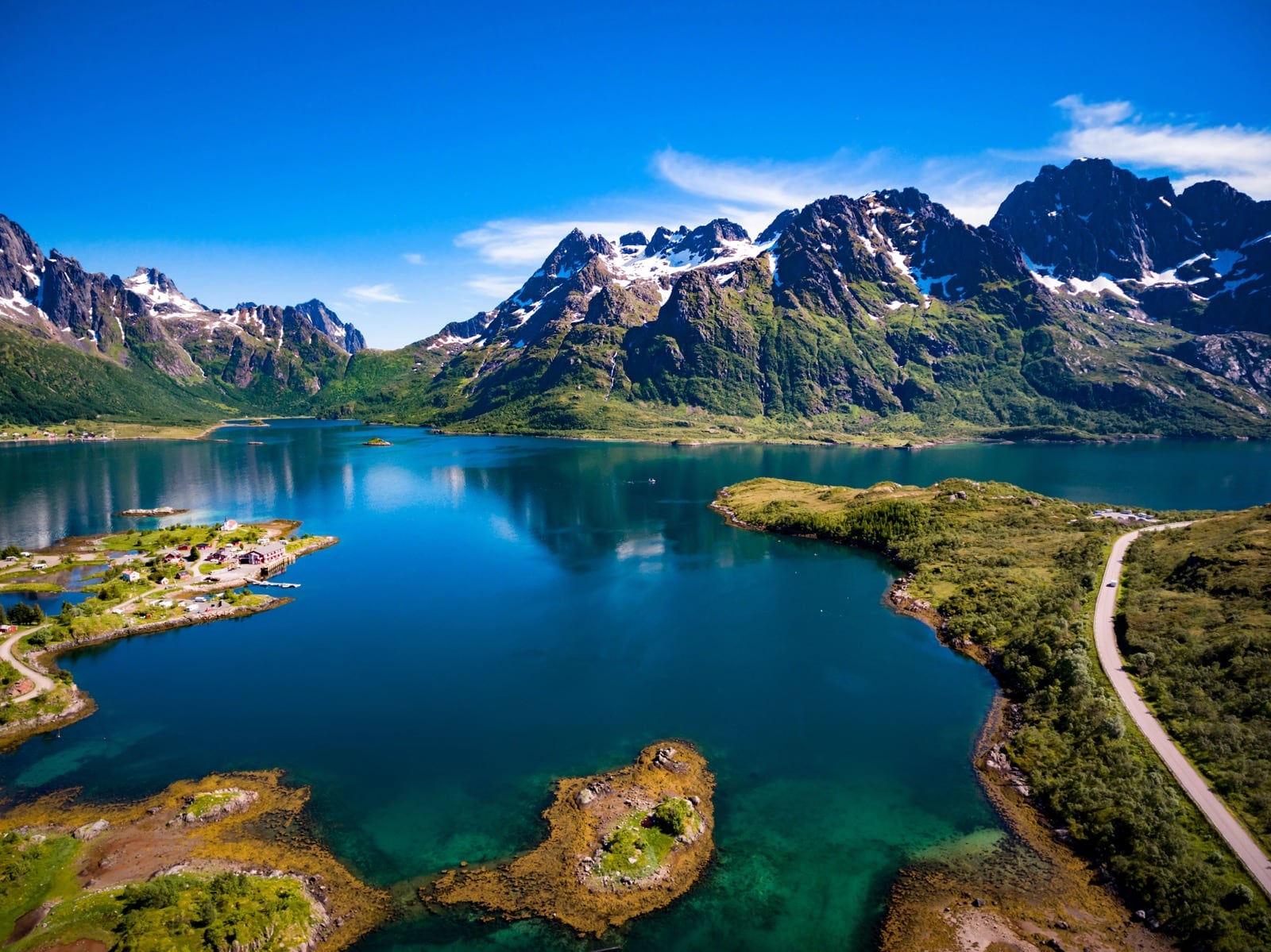
The actual frontier lies much further up. Past the northern rim of Scandinavia, the mainland shelf drops off into freezing grey brine and pack ice that doesn't care about travel schedules. It is the most remote wilderness on the European side of the globe. Cold water sets the terms here. A man overboard has less than five minutes before hypothermia shuts down his muscles, and thick drift ice can pinch a ship’s rudder before anyone on the bridge notices the current shifting.
Beyond the Mainland Shelf
Clear the headlands past Tromsø and the shelter vanishes immediately. The Greenland Sea swell rolls in from the open west, smacking against the shallow banks and throwing brine across the forward deck until the winch gear freezes over. Fog rolls in without warning. Low grey clouds spill down off the coastal bluffs, wiping out the horizon until the bridge windows look out at nothing but wet slate. Instruments help, but navigation up here comes down to dead-reckoning and sailors standing watch on the wings with frozen binoculars.
Graveyards and Stone Hearths of the Western Sounds
Centuries of raw whaling history sit rotting in the gravel on Spitsbergen. Take Gravneset. In the 1600s, Dutch and English shore gangs lived on this bare shale in soaked wool coats, boiling blubber in crude stone hearths while katabatic winds tore down off the plateau. More than a hundred whalemen ended up buried under beach cobbles here. Corroded iron bands still poke out of the dirt. Driftwood markers rotted away centuries back. A sudden freeze often pinned shore gangs to bare shale until their barrels of salted beef turned rancid.
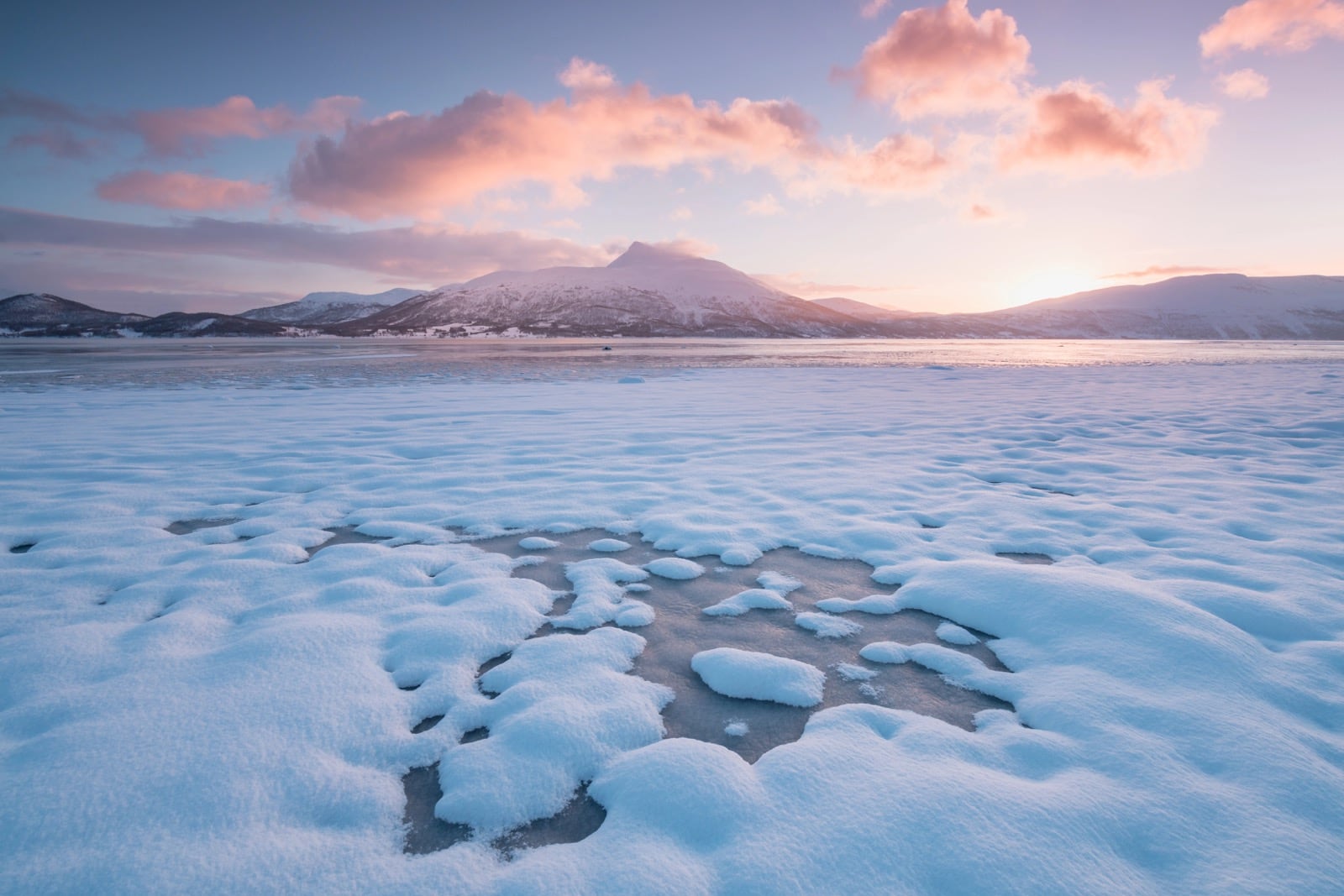
Accessing Tight Sounds Through Polar Leads
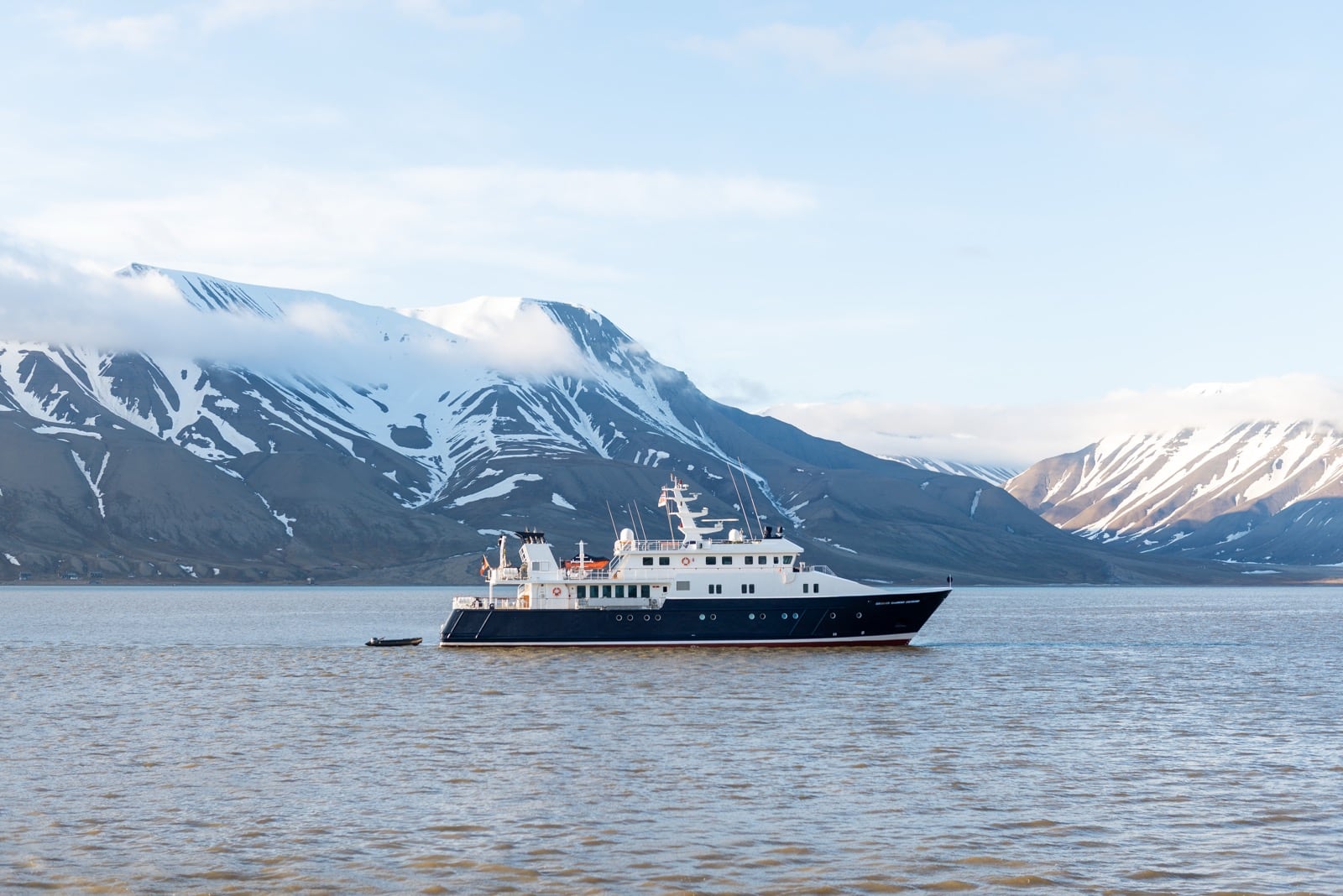
Uncharted gravel shallows keep commercial ships far out in the shipping lanes. The cold is brutal outside, yet days on the water feel remarkably easy aboard an Arctic expedition cruise equipped with heated bridge wings, dry gear lockers, and stiff steel framing. Size matters here. Smaller platforms skip the crowded channels entirely, pushing through loose pack so passengers can step off onto empty shale beaches before the wind shifts.
Navigating Glacial Runoff and Shifting Moraines
Pushing into southern sounds like Hornsund is hard on the engines. Glacier walls crack under internal tension and dump multi-ton slabs straight into salt water, throwing four-foot waves across the shallows. Melt streams flush grey sediment into the brine throughout July and August. These silt deposits create blind banks right where vintage nautical soundings promise safe passage. Growlers sit low in the chop. These dense, ancient blocks of ice carry the hardness of stone, heavy enough to ruin a bronze screw if an engine crew runs blind.
Life Along the Edge of the Polar Pack
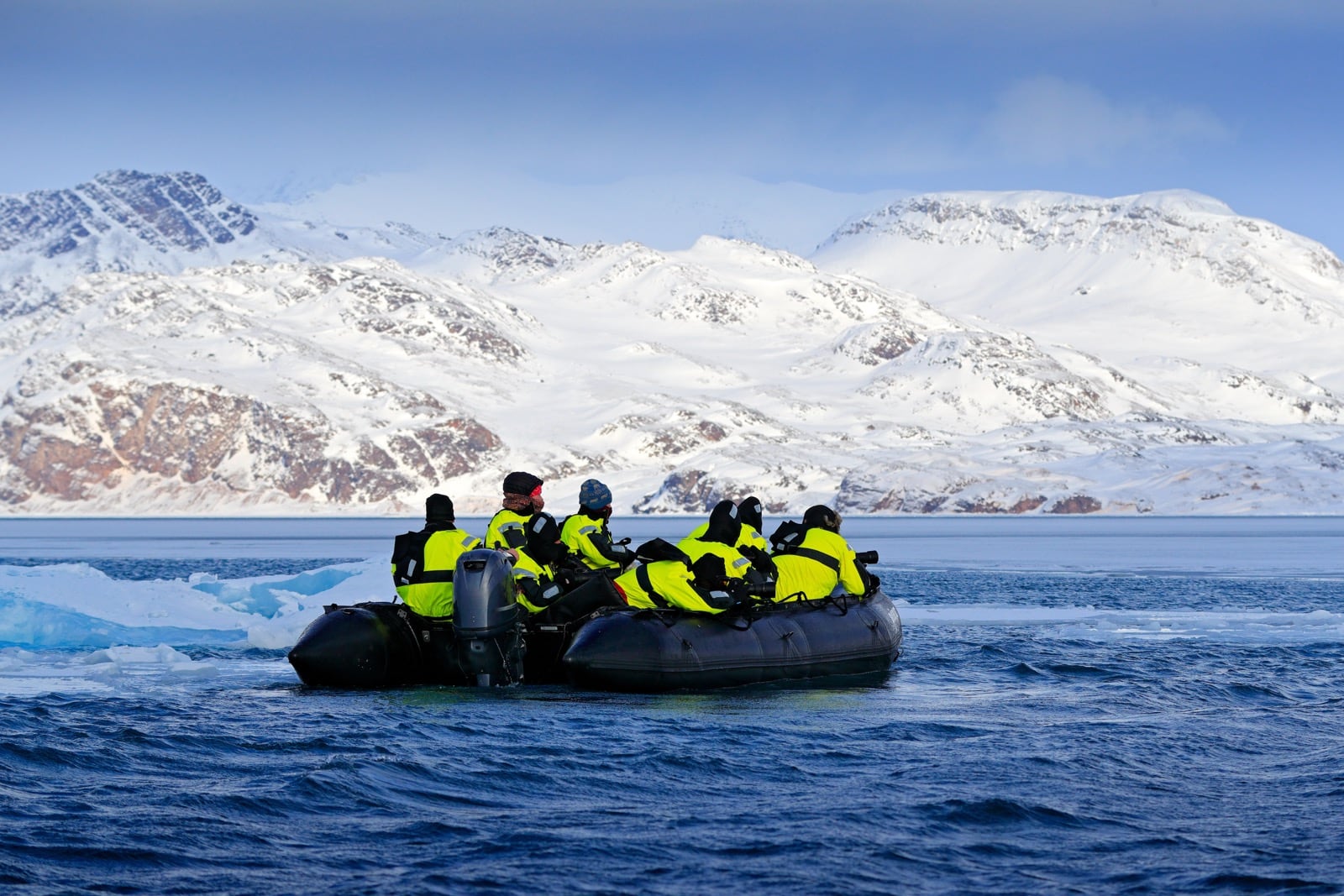
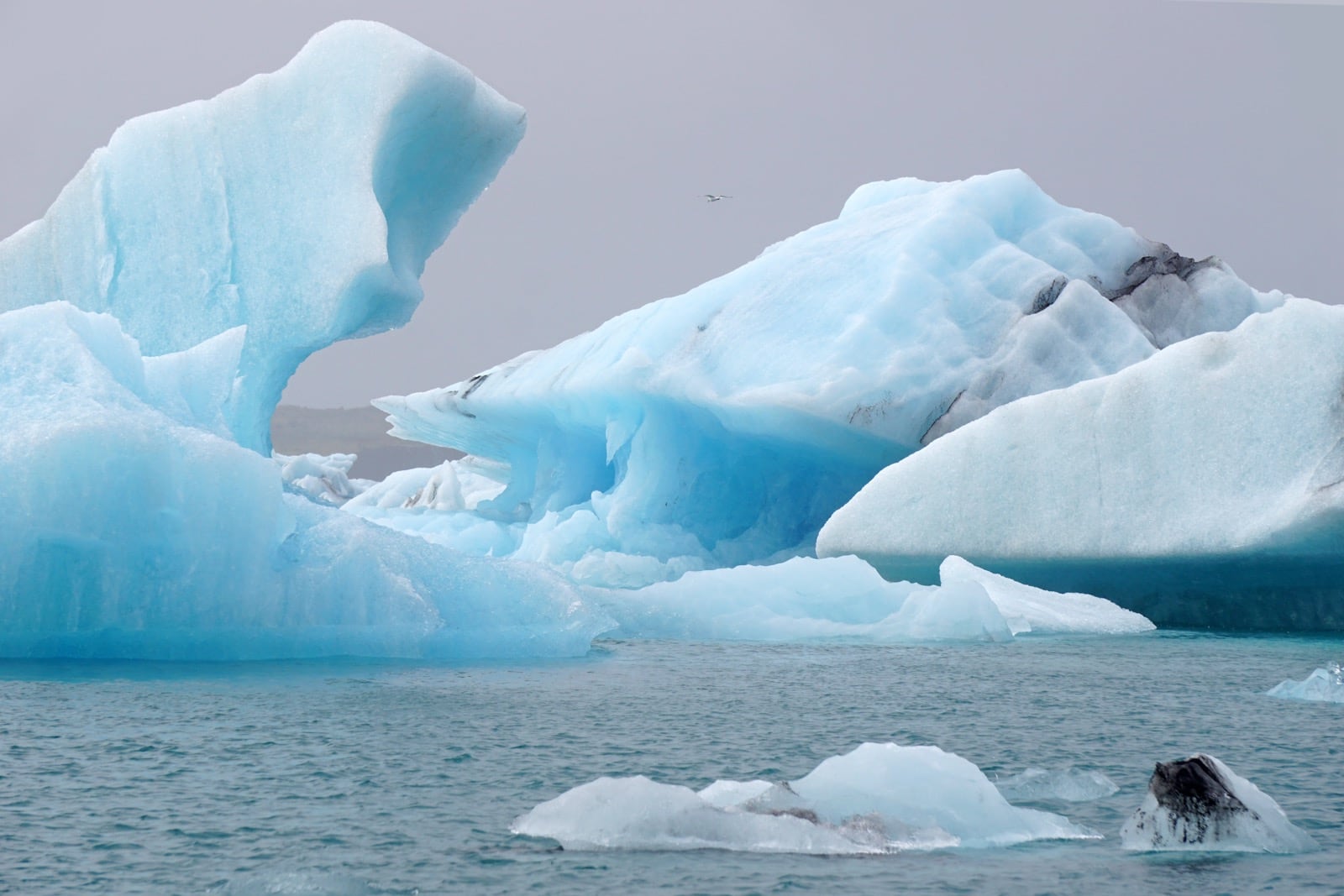
Up near eighty north, the open water simply stops. Thick multi-year floes ram together in the groundswell, buckling upward into jagged pressure ridges that choke off every single lead. Seals just keep their blowholes open in the slush. Bears track the wind across the rubble. Wooden hulls had zero business being here; shifting pack could cave in heavy oak ribs before the crew even managed to set ice anchors. Looking over the side as that white sheet drags along reinforced steel plates makes it obvious why centuries of attempts on the Northeast Passage ended in kindling and gravel graves.
Conclusion
Tying off at the wooden pilings in Longyearbyen cuts the silence short. Coal haulers kick up dust past old gantry frames, forklifts rattle across the quay, and phones dump days of missed calls onto screens in seconds. Beyond the headlands, none of that matters. Glacier snouts crack into the tide. Walrus bulls sleep on the gravel. The Arctic runs on its own terms, careless of whether a ship is working through the ice or tied to a bollard.
Photo source: depositphotos.com









Write Your Comment
Please DO NOT include links, URLs or HTML in your comments - they will be automated deleted and you will waste your time.