Outdoor adventures often require backpacks and tents, clothing, gear for the season, and much more.
After every trip, gear piles up in your entryway, garage, or closet. No one enjoys wearing the mantle of the hiker who becomes buried in piles of piles of shoes, sleeping bags, and trekking poles. If there is no clear plan for equipment storage and upkeep, it may end up piled at the back of the closet, heavily laden with dirt and mildew, or on the floor of the garage, covered with unsightly wrinkles or stains, making preparation for the next trip a long, tedious process.
Making sure to keep all your gear properly organized helps reduce wear and tear, and preparation for your next journey simple. By separating out frequently used equipment from seasonal gear, maintaining your gear properly, and designating a proper rule of order for your storage space, you can keep your adventure gear organized and ready to hit the trails or the campsite again at any time!
Deciding Which Equipment Should Stay Ready To Use
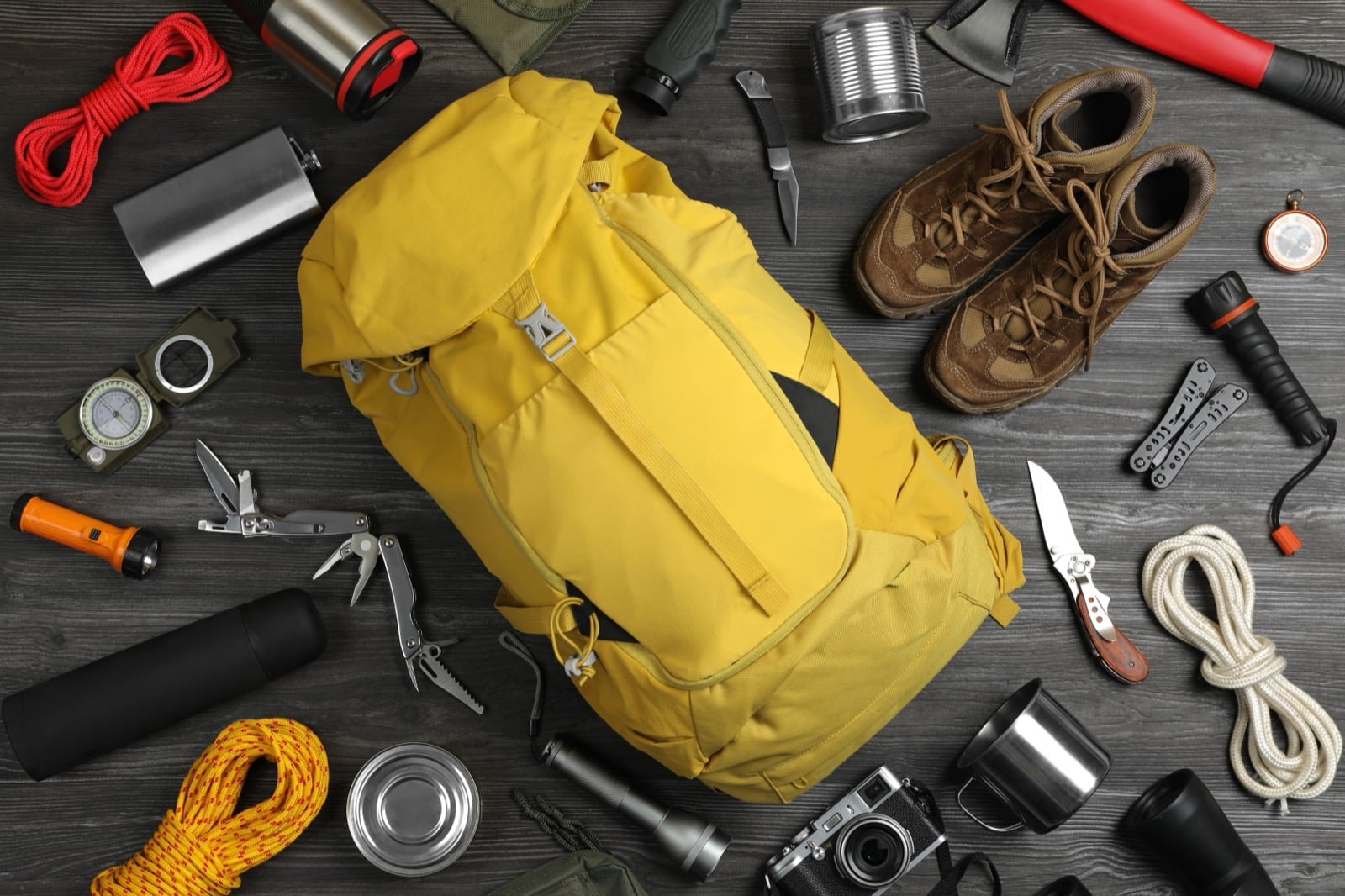
An efficient gear setup begins with identifying the items you rely on most often. Frequently used equipment such as daypacks, hiking shoes, basic camping tools, and reusable accessories should remain easily accessible so you can prepare quickly for spontaneous trips. These items form the core of your outdoor routine and benefit from being stored in a ready-to-go location. In contrast, seasonal or specialized gear—such as winter sleeping bags, large tents, or technical equipment used only for specific activities—can be stored separately to prevent overcrowding in your main living space. This separation keeps everyday gear visible while protecting less-used equipment until it is needed again. When gear collections grow beyond available space, some people store occasional items in organized containers or nearby options like Jackson GA storage units so their primary area remains clean and functional. Next, we will look at how to prepare gear after each trip so it stays in good condition for future adventures.
Cleaning And Preparing Gear After Each Adventure
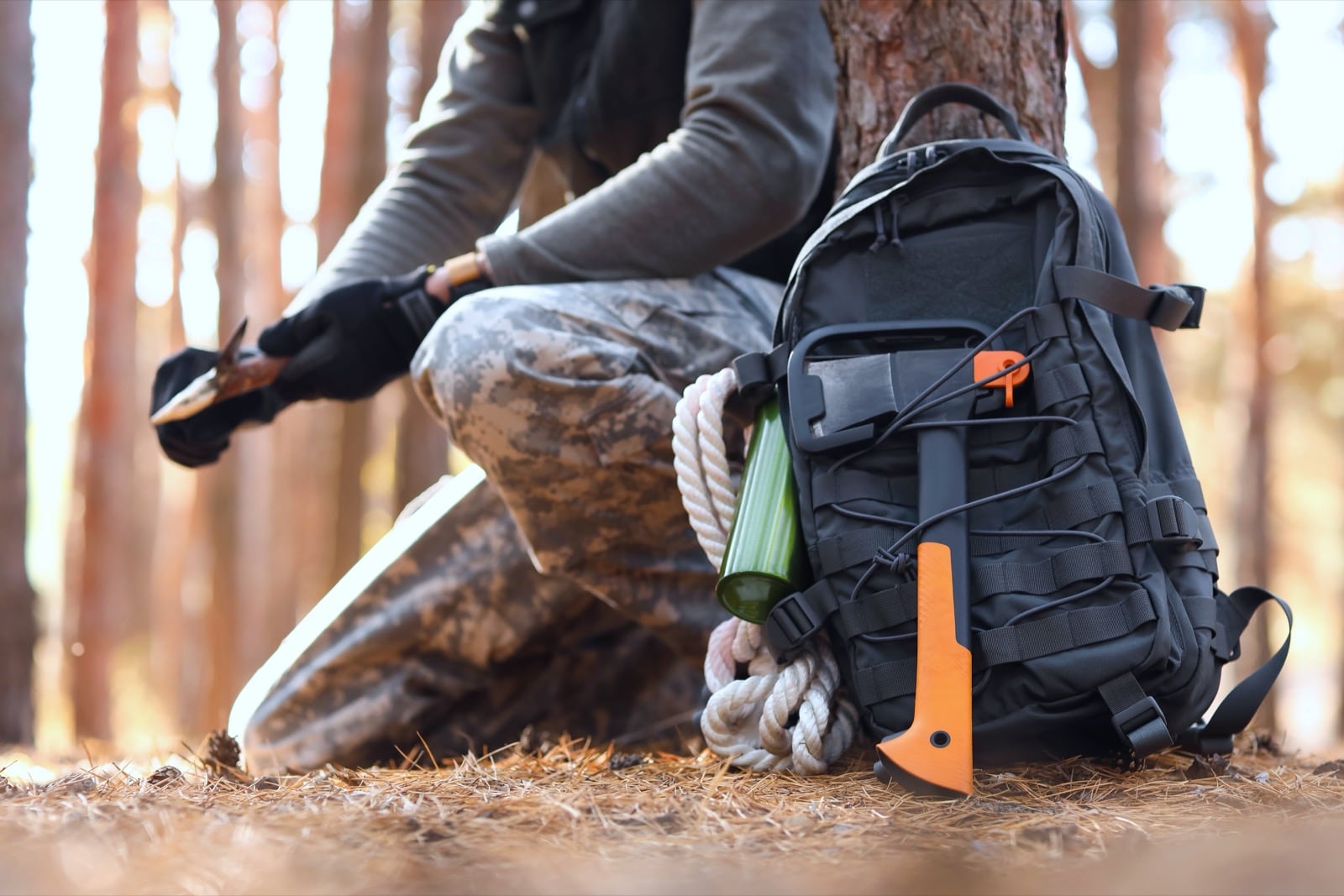
Proper care after each trip helps extend the lifespan of outdoor equipment and ensures it remains ready for the next use. A consistent routine prevents damage and reduces the time needed to prepare for future outings.
Essential Principles to Follow:
- Clean Gear Promptly Remove dirt, moisture, and debris from equipment to prevent wear and deterioration.
- Dry Equipment Thoroughly Ensuring gear is completely dry before storage reduces the risk of mold or mildew.
- Inspect And Repair Early Check for damage and make repairs before storing items to avoid problems during the next trip.
Common Pitfalls to Avoid:
- Storing gear while still damp, which can cause mold and unpleasant odors.
- Ignoring minor damage that can worsen over time.
- Packing equipment without cleaning it, leading to long-term deterioration.
- Mixing clean and dirty gear, which spreads moisture and debris.
Creating A Rotation System For Seasonal Equipment
Step 1: Sort your gear into three easy-to-spot categories based on how frequently you use them. Place ready gear—your everyday carry daypacks, footwear, basic tools, etc.—within easy reach so you can set out on an adventure the instant the spirit moves you. Store seasonal gear, such as winter sleeping bags, summer tents, and gear for specific sports, in bins or on shelves, clearly marked, so you can grab what you want when the season or your plans change. Place specialized gear (gear you use for an occasional activity) into a separate container so you can keep it safe and out of the way of your every day.
Step 2: Rotate. At the start of your season or period of activity, move gear into the Ready gear if it’s relevant. Move out of Ready any gear you don’t need in your everyday carry. Give your gear an overview just for the fun of it and so you know what to reach for when it’s time for your next big adventure.
What Changes For Small Homes And Shared Storage Spaces
How Do Small Homes Manage Outdoor Gear Collections?
Small homes benefit from compact storage solutions that keep equipment organized without taking over living areas. Wall hooks, under-bed storage, and labeled bins help maintain order while keeping gear accessible.
How Can Shared Storage Spaces Stay Organized?
Shared storage areas work best when each person or activity has clearly defined sections. Using labeled containers and designated zones helps prevent gear from mixing or becoming misplaced.
What Helps Maintain Gear Organization Long Term?
Consistency is key. Returning equipment to its designated location after each trip and performing regular checks helps maintain an organized system that supports ongoing use.
A Routine Checklist For Keeping Gear Ready Year Round
Adventure gear stays dependable when care and organization become part of a simple routine. After each adventure, clean and dry equipment fully before putting it back in storage. Keep most-used gear in quick-to-access spots and store the rest in labeled boxes, regardless of how rarely you reach for it. Check that equipment is in working order and that everything is still in good shape. Keeping clear zones for different types of gear helps keep everything easy to find, ready for the next journey.
Set a regular gear check day so everything stays clean, organized, and ready to go.

Frequently Asked Questions About Storing Adventure Equipment
How often should outdoor gear be cleaned?
Basic cleaning after each trip helps remove dirt and moisture that can damage equipment. Deeper cleaning can be done periodically depending on how often the gear is used.
What is the best way to prevent mold on gear?
Drying equipment completely before storage is the most effective way to prevent mold. Storing gear in well-ventilated areas also helps reduce moisture buildup.
Should all gear be stored in the same place?
Not necessarily. Frequently used items should stay accessible, while seasonal or specialized gear can be stored separately. This approach keeps everyday areas organized.
How can gear last longer between trips?
Regular cleaning, proper drying, and early repairs help extend the lifespan of equipment. Organized storage also reduces unnecessary wear and damage.
Photo source: depositphotos.com














Write Your Comment
Please DO NOT include links, URLs or HTML in your comments - they will be automated deleted and you will waste your time.