I used to think the best trips were the ones where everything was booked: hotels, tours, train times, even restaurant reservations.
By the end of the week in Morocco, I was pulling over for no reason other than “the light looks incredible”, drinking mint tea with people whose names I still can’t pronounce, and realising that the best parts of the trip weren’t on any itinerary.
If you’re thinking about doing Morocco by car, here’s what I wish I’d known before I started - and how to plan a road trip that feels like freedom, not a race.
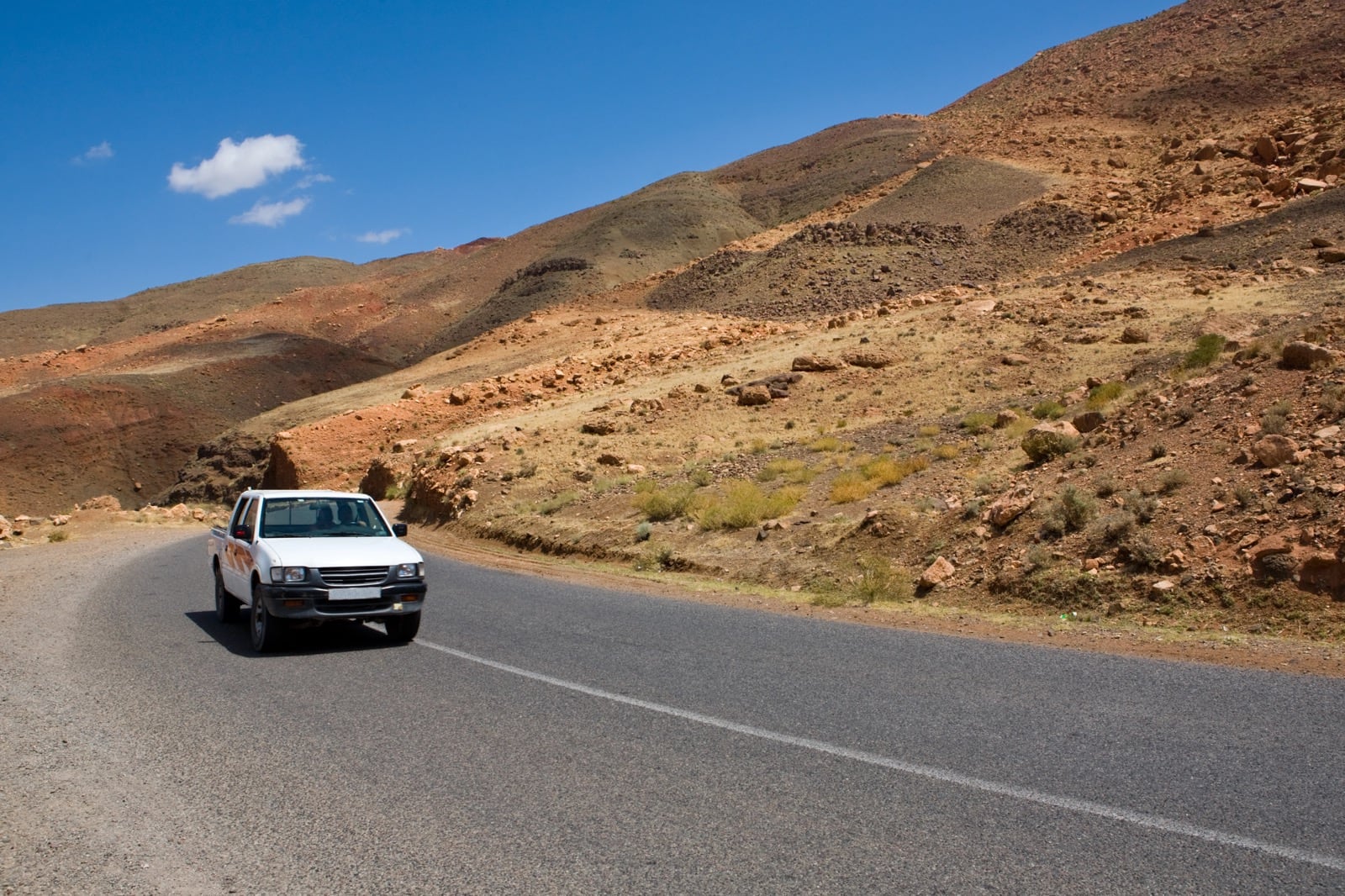
Why I chose to drive (and why you might too)
I’d been to Morocco before, but always on organised tours or with a driver. It was comfortable, easy and… a bit distant. I saw the highlights, but I didn’t really feel the country.
This time, I wanted to:
- Leave when I wanted, not when a minibus was scheduled
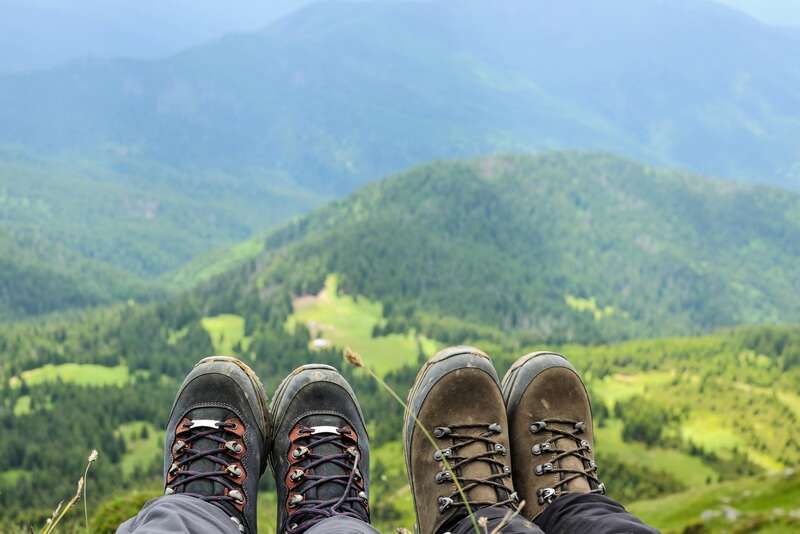
- Stop every time the landscape made me gasp
- Find my own viewpoints instead of sharing them with three coach loads
- Say “yes” to random detours without asking a guide
That’s when I decided to rent a car Morocco and build my own route.
The route itself is less “day by day”, more “follow the view”
Most first-time road trips in Morocco follow a similar loop: Marrakech → Atlas Mountains → Aït Benhaddou → Dades/Todra → Merzouga (Sahara) → back to Marrakech.
That’s exactly what I did, but instead of treating it like a checklist, I thought in zones.
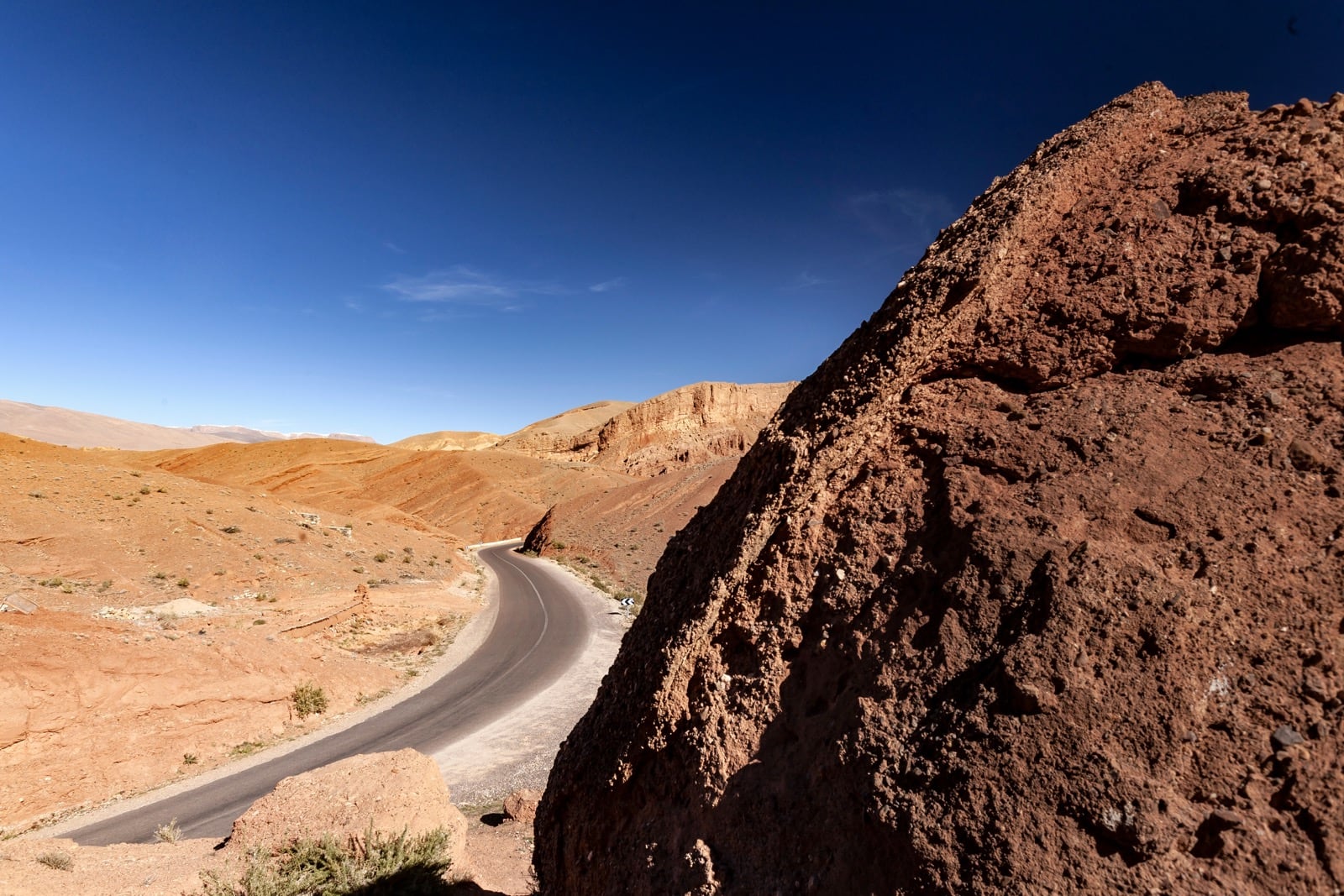
Marrakech: start slow, then go
I gave myself one full day in Marrakech before picking up the car. The Medina is intense in the best possible way: motorbikes weaving through narrow streets, stalls piled with spices and textiles, the constant buzz of Jemaa el-Fnaa square.
I spent the morning getting happily lost in the souks, the afternoon in a hammam (steam, scrub, nap — perfect after a long flight) and the evening on a rooftop watching the sunset over the city.
You don’t need a car in Medina; in fact, avoid driving there altogether. I picked up my rental the morning I left for the mountains.
The high Atlas
Leaving Marrakech, the road climbs steadily into the High Atlas. The scenery changes quickly: palm trees give way to rocky slopes, then to snow-capped peaks and deep valleys.
This is one of those drives where you’ll want to stop constantly. There are mountain viewpoints, tiny villages and winding roads with sweeping views across the landscape. I told myself I’d only stop at “official” viewpoints. That lasted about twenty minutes.
Some of my favourite moments:
- Pulling over because an old man was selling oranges by the side of the road and ending up chatting for half an hour with his family
- Finding a viewpoint with no signs, no car park and no one else, just me and a valley that looked like it had been carved by giants
- Realising I had no idea what time it was and not caring
Practical tips that actually helped:
- Start early to avoid some of the traffic leaving the city
- Download offline maps before you go; signal can be patchy in the mountains
- Don’t trust travel times on Google Maps blindly; mountain roads are slower than they look
Aït Benhaddou looking like a film set
Eventually you’ll reach Aït Benhaddou, one of Morocco’s most famous sights. The ancient fortified village (ksar) is made of earthen buildings clustered on a hillside and looks almost like a film set — which makes sense, given its many appearances in films and TV shows.
I arrived in the late afternoon when most tour groups had already left. The light was golden, the air was quiet and the whole place felt almost unreal.
I wandered the narrow streets, climbed to the top for panoramic views and stayed nearby for the night so I didn’t have to rush. If you can, do the same: Aït Benhaddou is worth seeing without a crowd.
Ouarzazate, Dades and Todra: the landscape keeps changing
The next day, I continued towards Ouarzazate, often called the gateway to the Sahara. If you’re into cinema, you can visit one of the local film studios. I’m not a huge film buff, so I kept driving.
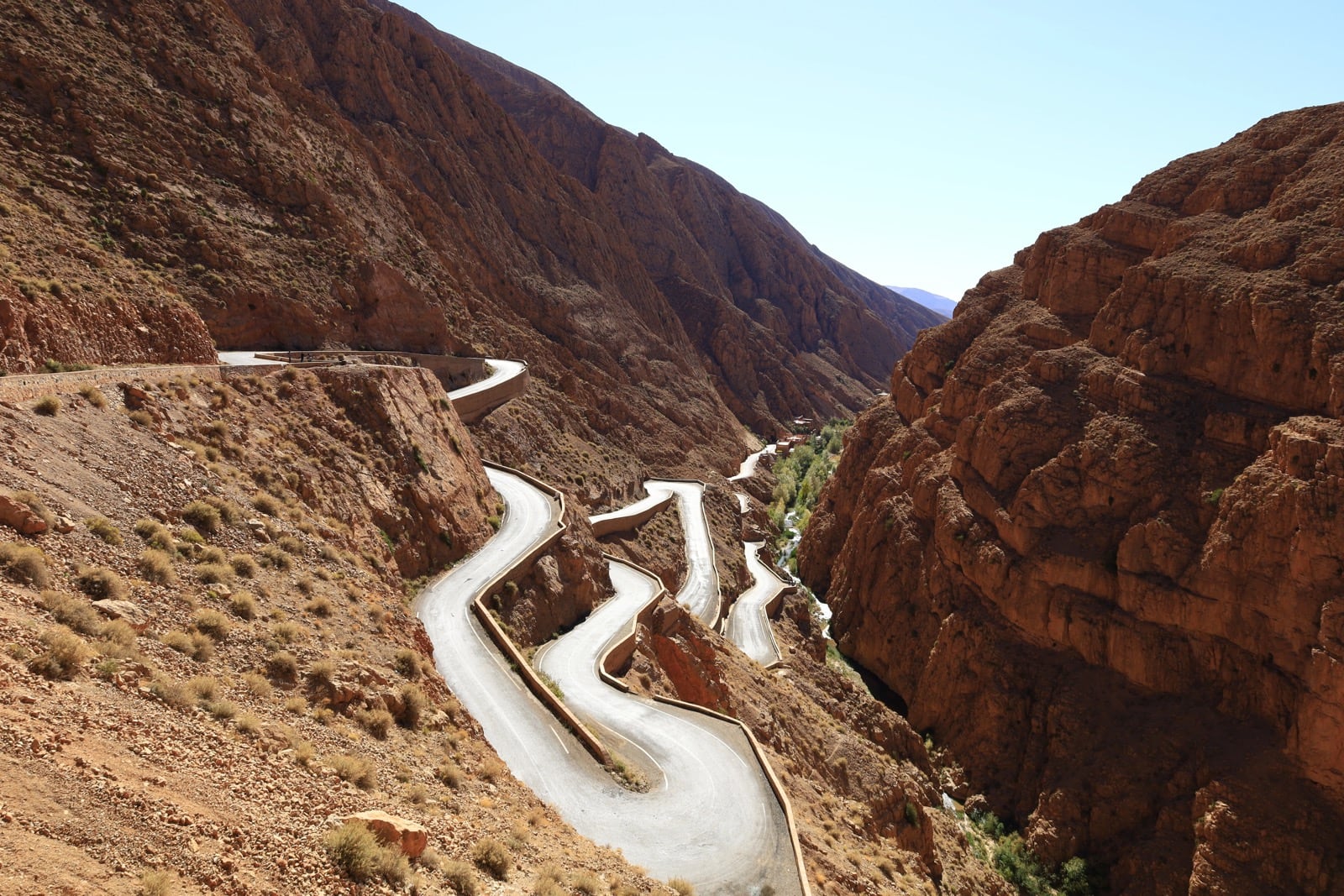
From here, the landscape starts to feel more desert-like, with wide skies and dramatic rock formations. The road through the Dades Valley is another highlight. The scenery shifts constantly: rocky mountains, lush green valleys, dramatic red cliffs. This is exactly why having your own car in Morocco is so valuable — you can stop whenever something catches your eye.
Before you get to Merzouga, stop at Todra Gorge. The enormous canyon has towering limestone cliffs on either side and is especially impressive when you stand at the bottom and look up. I parked, walked along the riverbed and just stared. There aren’t many places where you feel that small in a good way.
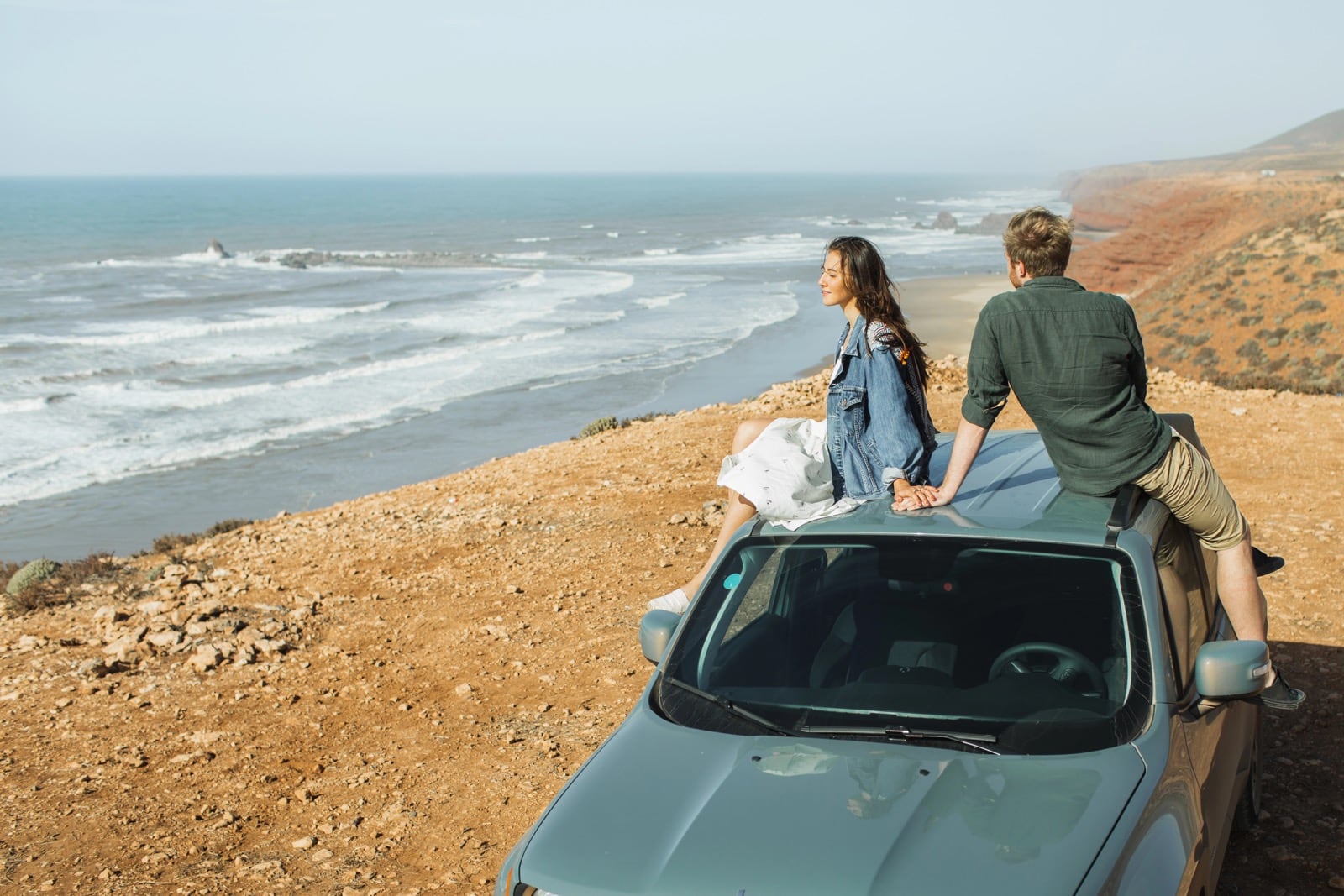
Merzouga and the Sahara: where you finally slow down
This is where it makes sense to arrange your desert camp in advance. Many camps include transport from a meeting point near Merzouga, so you’ll usually leave your hire car safely parked and continue into the desert with the camp operator.
I arrived at my camp just as the sun was starting to set. The dunes were glowing, the air was cool and everything felt slightly surreal. Dinner was simple but delicious: tagine, bread, fruit, mint tea. In the evening, we sat outside under an incredibly clear night sky while someone played traditional music. For many travellers, this is the highlight of the entire trip. It definitely was for me.
The next morning, I watched the sun rise over the Sahara dunes. It’s one of those experiences that makes getting up ridiculously early feel completely worthwhile.
Depending on your camp, you might have the option to go camel trekking, try sandboarding or take a 4×4 trip into the desert. I did a short camel ride, then spent most of the day doing nothing: sitting on a dune, drinking mint tea and enjoying the fact that I was in the middle of one of the world’s most iconic deserts. From Merzouga, you can drive back to Marrakech in one long day or break the journey with an extra night in the mountains or a kasbah guesthouse. I chose the latter: one more night in a small guesthouse with mountain views, home-cooked dinner and no plans for the next day.
Choosing the right Car (without overthinking it)
You don’t need a huge 4×4 for the main tourist routes; a standard compact or mid-size car is usually fine. What matters more is reliability, comfort and enough boot space for your luggage.
Before booking, I checked:
- Insurance: what’s included, what’s the excess, can I reduce it?
- Mileage: is it unlimited or limited per day?
- Additional drivers: can someone else drive, and is there an extra fee?
- Fuel policy: full-to-full, or do you pay for a tank upfront?
- Pick-up/drop-off: same location or different? Any extra fee?
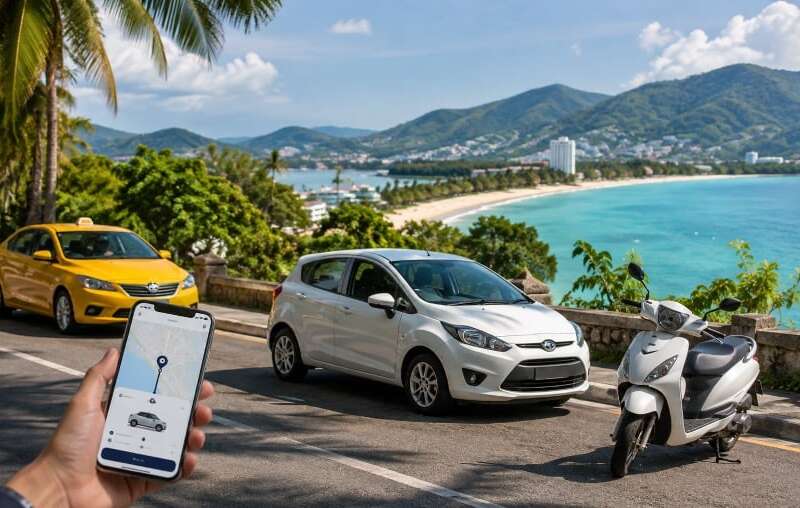
If you’re travelling with several people, splitting the cost of a rental can make it surprisingly affordable. To compare options, you can rent a car Morocco and see different cars, conditions and prices side by side.
I ended up with a small but sturdy car that handled the mountain roads easily and was cheap enough that I didn’t panic every time I parked it somewhere questionable.
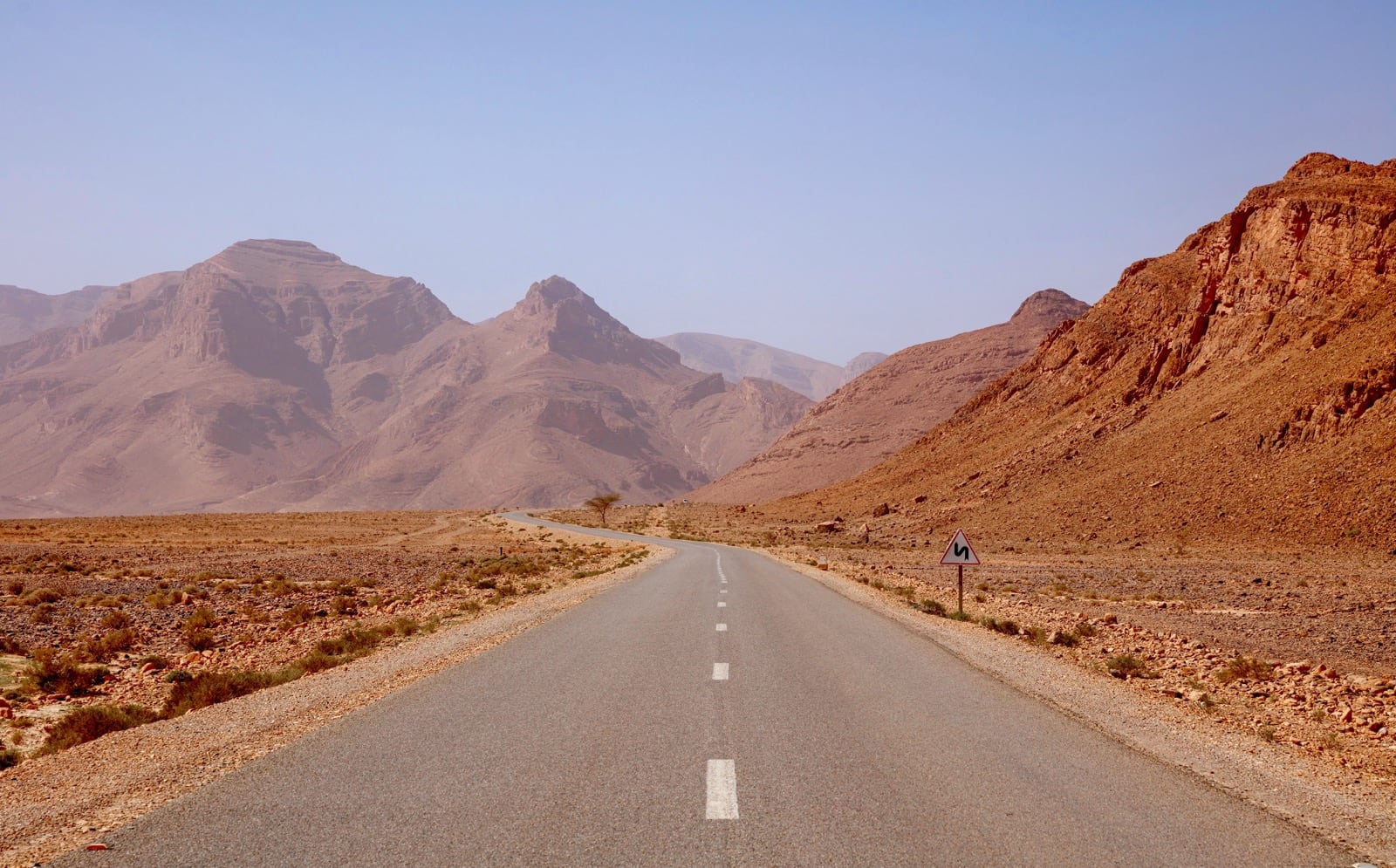
Is driving in Morocco actually scary?
“Is it difficult to drive in Morocco?” is the question I get most often. The honest answer: it’s different, not necessarily difficult.
Main roads between cities are generally straightforward. Mountain roads can be winding and slower than you might expect. Around busy cities, traffic can feel chaotic, especially with motorbikes, pedestrians and other vehicles sharing the road.
A few things that helped me:
- Using Google Maps with offline maps downloaded
- Staying calm at roundabouts and watching how locals move; it started to make sense quickly
- Not rushing; Moroccan roads are not always as fast as the distances on a map suggest
- Parking in well-lit, busy areas and using hotel parking where possible
After the first day or two, I found my rhythm. By the end, I was surprisingly relaxed behind the wheel.
Would I Do This Trip Again?
In a heartbeat.
A Morocco road trip is the kind of holiday that gives you a little bit of everything: the colour and chaos of Marrakech, the drama of the Atlas Mountains, ancient kasbahs, winding mountain roads, spectacular gorges and finally the vastness of the Sahara. It’s adventurous without needing to be hardcore, and you can make it as luxurious or budget-friendly as you like.
Most importantly, don’t be tempted to make the itinerary too rigid. Leave time for the unexpected, stop for the view, have the extra coffee, take the wrong turn occasionally. Because the best part of a Morocco road trip isn’t simply reaching the Sahara — it’s everything you see along the way.
And if you want the freedom to do that properly, having your own car makes all the difference. If you’re starting to plan, a practical first step is to rent a car Morocco and see what kind of vehicle and budget work best for your trip.
Photo source: depositphotos.com




Write Your Comment
Please DO NOT include links, URLs or HTML in your comments - they will be automated deleted and you will waste your time.