Stepping onto European soil for the first time is a milestone for any traveler.
The continent offers a dizzying array of cultures, languages, and histories packed into a relatively small geographic area. However, for the first-timer, the sheer volume of choices can be paralyzing.
Do you head to the sun-drenched coasts of Spain, the rugged highlands of Scotland, or the fairytale villages of Switzerland?
While every corner of the continent has its charms, certain cities serve as the perfect starter destinations. London, Paris, and Rome offer a blend of world-class infrastructure, iconic landmarks, and a level of accessibility that makes them approachable for those still finding their international travel legs.

London: The Perfect Starter City
For many English-speaking travelers, London is the ultimate entry point into Europe. There is no language barrier to navigate, which significantly reduces stress. Whether you are ordering a coffee, asking for directions, or taking a tour of a museum, communication is seamless.
But London’s appeal goes far beyond shared language; it is a city that has perfected the art of the visitor experience.
Getting Around
The efficiency of the London Underground, affectionately known as "the Tube," is legendary. It is one of the most intuitive transit systems in the world. Colored lines and clear signage make it easy to traverse the entire city.
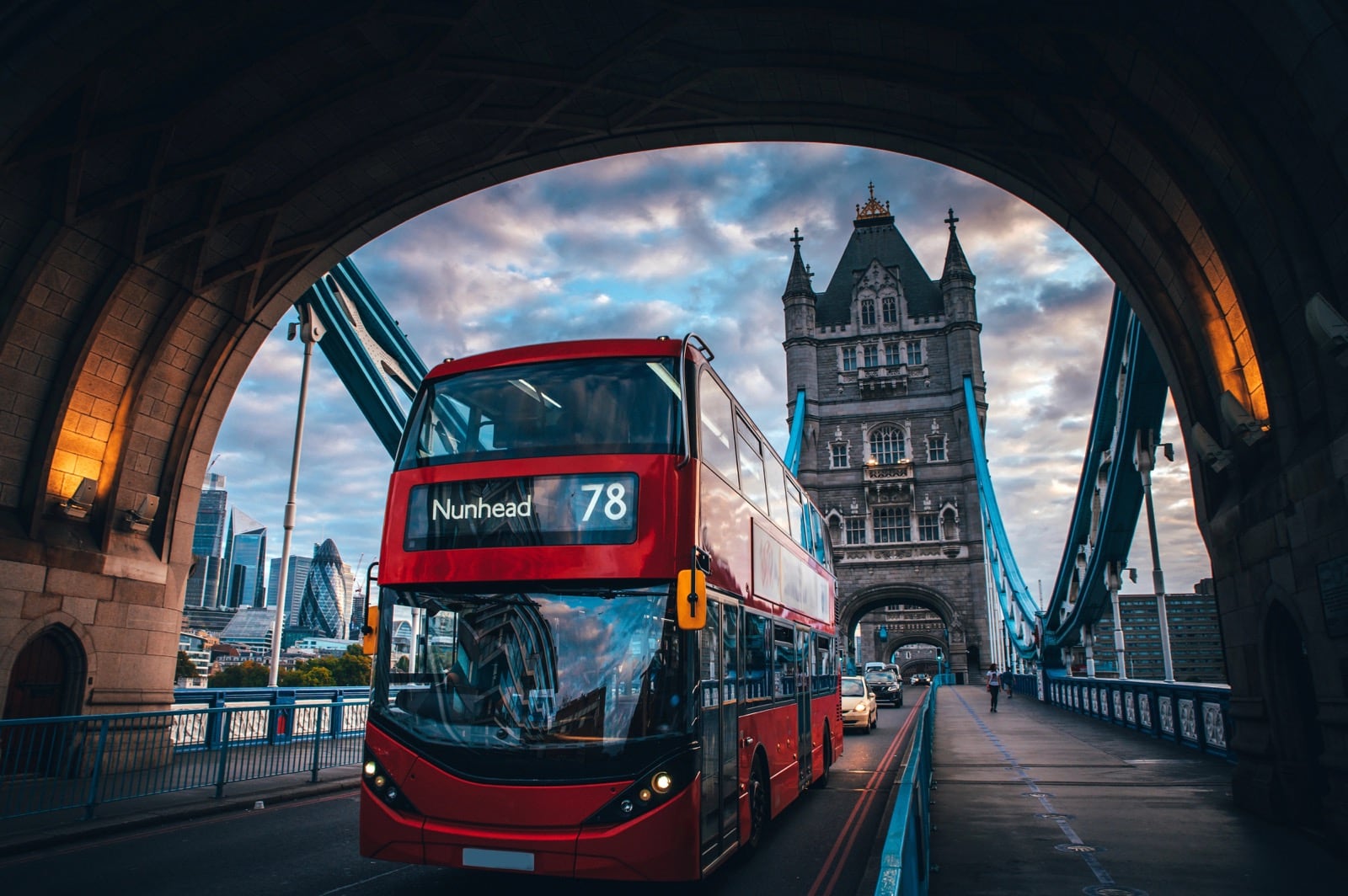
If you prefer to stay above ground, the iconic red double-decker buses offer a cheap alternative to sightseeing tours, especially if you snag a seat on the top deck.
Using the bus and Underground systems in London is a breeze for first-timers. You can simply tap your contactless credit card or phone at the barriers when you enter and exit public transit, and you’ll be charged for the journey you make. There’s no need to buy a ticket.
London is also surprisingly walkable, with many sights within easy reach of each other. For example, the South Bank of the Thames provides a scenic pedestrian path that connects the London Eye, the Tate Modern, and Borough Market.
Unmissable Sights
Your London itinerary should prioritize the heavy hitters. The Tower of London is essential for history buffs, offering a look at the Crown Jewels and centuries of royal intrigue. The British Museum, which is free to enter, houses some of the world’s most significant artifacts.
For a modern perspective, a walk along the South Bank provides a constant stream of street performers, food markets, and stunning views of the skyline. If you’re an art buff, be sure to explore the Tate Modern; it’s free and packed with great work.
One critical planning tip: book popular attractions like the London Eye or the View from the Shard in advance. This will help you avoid long queues.
Where to Stay
When deciding where to base yourself, consider your priorities. Kensington is ideal for those who want to be near the big museums and the lovely green space of Hyde Park.
Covent Garden is perfect for travelers who want to be in the heart of the theater district and central to everything. If you are watching your budget, King’s Cross is a fantastic transport hub with more affordable options that still keep you connected to the rest of the city.
Regardless of the neighborhood, vacation rentals in London often provide better value than hotels, giving you a kitchen to save on meals and a true sense of living like a Londoner.
Paris: The Magic of the City of Light
Paris is a city that lives up to its cinematic reputation. For a first-time visitor, it offers a distinct aesthetic and cultural experience that feels uniquely European.
While the language is different, the tourist infrastructure in Paris is robust. Most people working in the hospitality and travel sectors speak excellent English, and the city’s layout is designed for exploration.
Getting Around
Paris is defined by its 20 arrondissements (neighborhoods), which spiral out from the center like a snail shell. Each has its own personality, but most are incredibly walkable.
In fact, walking is the best way to see Paris. You’ll discover hidden patisseries, quiet courtyards, and charming boutiques that you’d miss from the Metro.
That said, the Paris Metro is an architectural marvel in itself and is incredibly efficient for longer distances. It’s dense, meaning you’re never more than a few minutes' walk from a station.
Unmissable Sights
The big three sights for any Paris trip are the Eiffel Tower, the Louvre, and the Catacombs. For the Louvre, don’t try to see it all in one go; pick a wing or a specific period and enjoy it. The Tuileries Gardens, right outside, provide the perfect spot for a post-museum rest.
Beyond the monuments, Paris is about the lifestyle. A great planning tip is to book a tour with a local foodie guide. They can lead you to the best authentic boulangeries and brasseries away from the overpriced tourist menus. This gives you a taste of real Paris that most visitors overlook.

Where to Stay
Choosing the right home base is key to your experience, but Paris has a huge variety of neighborhoods to choose from.
Le Marais offers upscale accommodation and a trendy vibe. Saint-Germain-des-Prés is the place for classic Parisian architecture and literary history. If you’re looking for a more affordable option with a cool atmosphere, the area around Bastille is excellent.
Remember that choosing accommodation in Paris that’s further from the center can save you a significant amount of money. Since the Metro is so reliable, you can still reach the major sights from most arrondissements in under 30 minutes.
Rome: A Walk Through History
If London is the gateway and Paris is the dream, Rome is the heart of European adventure. It is often described as an open-air museum, where ancient ruins sit comfortably alongside buzzing modern cafes.
For a first-timer, Rome can feel chaotic, but that energy is part of its charm. It is a city that rewards the curious and the hungry.
Getting Around
Navigating Rome is best done on foot whenever possible, as the historic center is relatively compact. However, the Metro and urban railway systems are useful for reaching outlying areas.
The bus system is extensive, though it can be a bit unpredictable due to Rome’s notorious traffic. There’s also a tram system, but this connects the outer portions of the city and is less useful to tourists.
Rome experiences huge crowds in the height of summer, which can make it stressful to get around. For a calmer experience, a savvy planning tip is to visit in January or February. While you’ll need to dress warmly, lines for the major attractions will be a fraction of their usual length.
Unmissable Sights
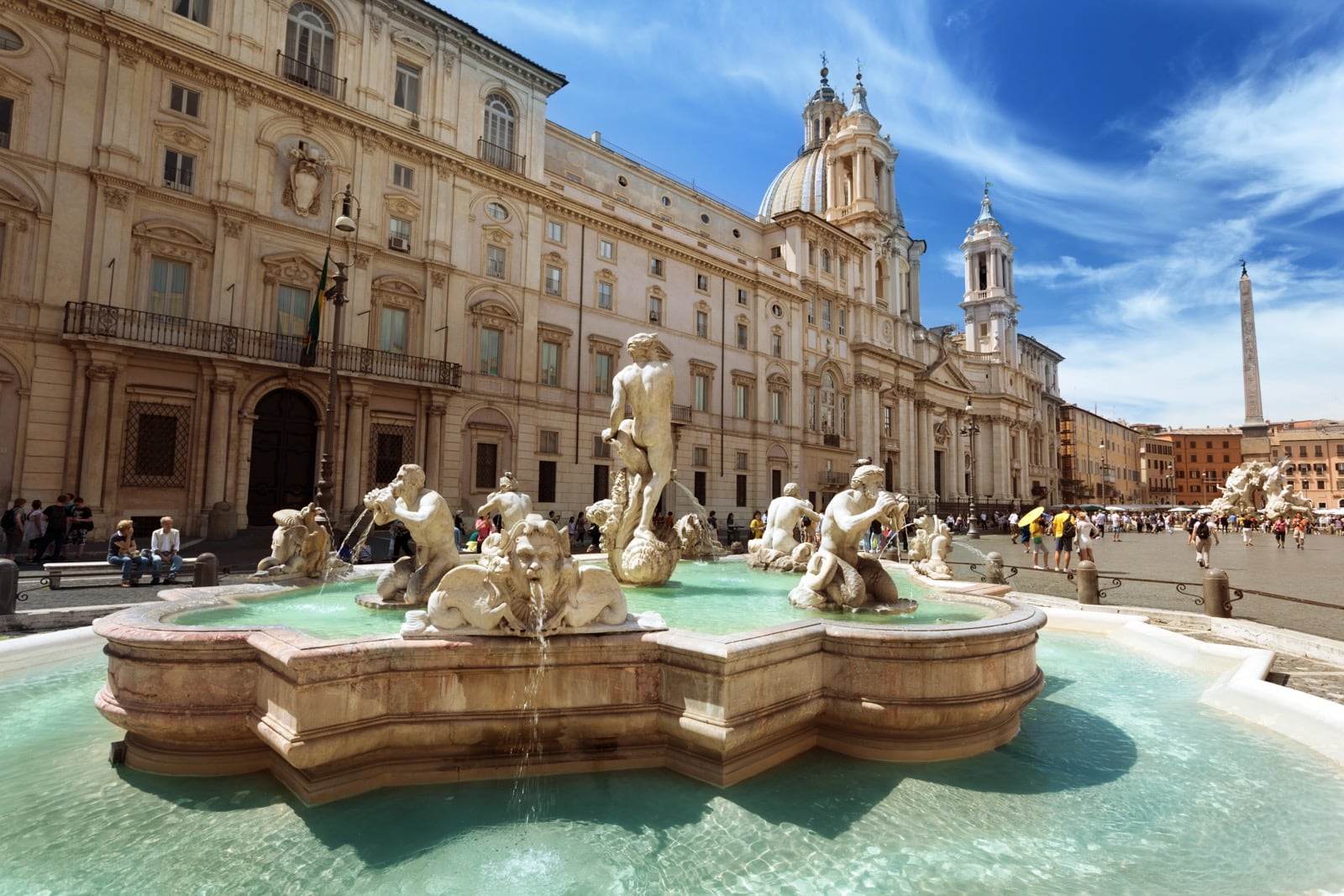
The sheer density of history in Rome is staggering. You can be walking down a modern shopping street and suddenly find yourself face-to-face with the Pantheon.
The Colosseum and the Roman Forum are non-negotiable stops, offering a profound connection to the ancient world.
Vatican City, while technically its own country, is an essential day trip for the Sistine Chapel and St. Peter’s Basilica.
Where to Stay
For a first-timer, staying in a central neighborhood like Trastevere is a great move. It’s famous for its narrow cobblestone streets and incredible dining scene.
If you want to be within walking distance of everything, the area near the Pantheon is unbeatable. For something a bit more local and trendy, the Monti neighborhood is a fantastic choice.
Accommodation in Rome is diverse, ranging from luxury historic hotels to charming guesthouses. However, rentals are often the most practical choice for those who want more space and a local feel. Private apartments in Rome are common and can provide a wonderful home base in historic buildings that hotels might not occupy.
Your First Trip to Europe Won’t Be Your Last
Your first trip to Europe is more than just a vacation; it’s the beginning of a lifelong relationship with a continent that never stops giving. By choosing cities like London, Paris, and Rome, you’ve selected destinations that are easy to explore while offering world-class wonders.
The secret to a successful first trip isn’t seeing everything; it’s seeing things well. Many travelers fall into the trap of trying to conquer the entire continent in two weeks, spending more time in train stations than in museums. Give yourself at least four or five days in each city to move beyond the surface-level tourist traps and actually enjoy the atmosphere.
Set realistic expectations, embrace the occasional wrong turn, and remember that the goal is to create memories, not just check boxes off a list. Don’t worry about seeing it all. If you do it right, this will only be the first of many visits.
Focus on the feeling of the cobblestones under your feet, the taste of a fresh croissant, and the awe of seeing a 2,000-year-old monument for the first time.
Europe is waiting, and it’s easier to explore than you think.
Photo source: depositphotos.com














Write Your Comment
Please DO NOT include links, URLs or HTML in your comments - they will be automated deleted and you will waste your time.