For drivers experiencing various road conditions during different times of the year, there is a need for tires that will offer consistent performance under both wet and dry road conditions.
The type of tire used by a driver determines how stable a driver will brake, how well he corners, and his safety on the roads.
The modern-day all-season tires are designed in such a way that they will offer consistent performance regardless of the temperature. These tires are not like summer and winter tires since they are designed to offer reliable traction all year round. However, their performance greatly varies depending on several factors.

What Makes All-Season Tires Different
All-season tires provide a blend of good performance on dry surfaces, wet roads, and mild winter conditions without any need for tire replacement throughout the year. The design of such tires is mainly based on versatility and not extreme specialization.
The following are some of the main attributes that define all-season tires:
- Tread compound suitable for various temperatures
- Siping for wet and mild snow conditions
- Good handling on a day-to-day basis
These features make all-season tires a practical choice for drivers who want reliable performance in changing weather conditions.
Tread Design and Wet Weather Performance
Traction in wet weather is greatly influenced by the tread pattern of the tires. Effective all-season tires have unique characteristics that keep them in contact with the road when it rains.
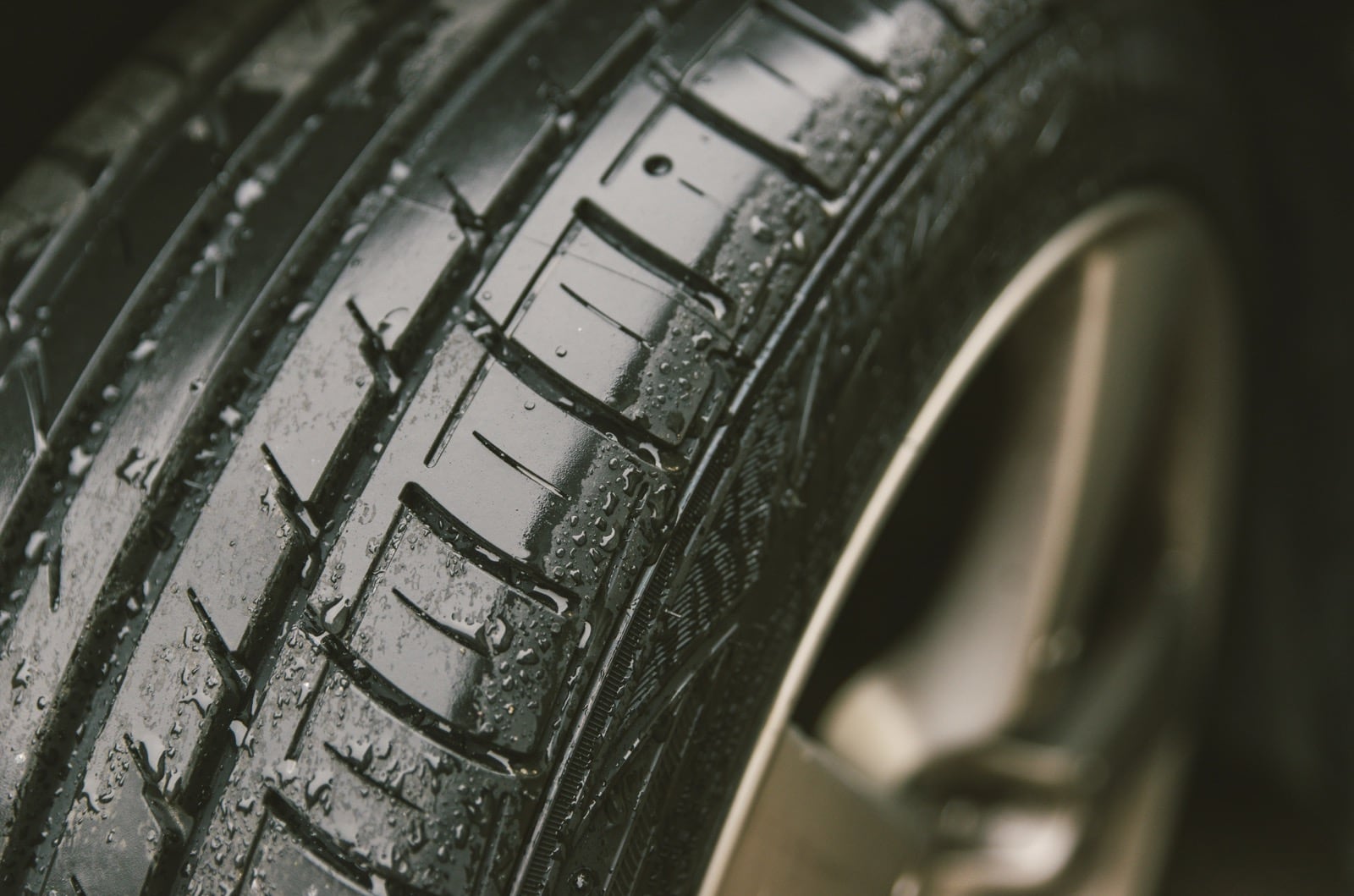
Circumferential Grooves
- Drain water from the surface of the tire
- Decrease the chances of hydroplaning
- Make wet braking more consistent
High-Density Siping
- Increase traction in wet weather
- Improve traction when braking and turning
- Become more flexible in cold weather
Asymmetrical Tread Patterns
- Balance dry and wet traction capabilities
- Offer good cornering stability
- Help to maintain road contact
A properly engineered tread pattern helps maintain predictable handling in both dry and rainy conditions.
Rubber Compounds and Temperature Flexibility
The rubber compound of an all-season tire has a great impact on the grip and longevity of the tire. These compounds are made in such a way that they remain flexible at different temperatures.
Some advantages of using such compounds include:
- Traction in cold weather
- Heat resistance in hot weather
- More tread life than performance tires
Compounds with silica are commonly used to enhance wet traction.

Dry Road Handling and Stability
Although wet grip is significant, dry road handling is equally essential. According to AAA, proper tire selection and maintenance are key factors in road safety and vehicle stability. Some of the key attributes of a good tire in terms of performance include:
- Good steering behavior
- Cornering capability
- Braking control
Tread block reinforcement and better contact patches ensure stability at high speeds and in emergency situations.
Ride Comfort and Road Noise
The reason for the preference of most individuals for all-season tires is the combination of performance and comfort. The tires' construction may influence the comfort level of driving the vehicle in an amazing way.
Tire features that can provide additional comfort:
- Tire tread pattern with a different pitch for eliminating noises
- Inner flexibility to reduce vibrations
- Sidewall design to improve handling capabilities
In such a way, you will have a more comfortable and quieter ride.
Tread Life and Long-Term Durability
All-season tires are generally designed to last for many years, and thus, tread wear becomes an element that requires consideration.
In evaluating the longevity of the tires, one should consider:
- Mileage guarantee coverage
- Long-lasting tread compounds
- Even tread wear
Tire rotation, balancing, and proper inflation are just as important.

Fuel Efficiency and Rolling Resistance
The process of minimizing rolling resistance results in fuel efficiency, as less energy is required to maintain the movement of the vehicle.
Fuel-efficient all-season tires incorporate:
- Lightweight internal construction
- Uniform tread contact
- Minimal resistance rubber
Motorists using highways will benefit from fuel efficiency.
Matching Tires to Your Driving Conditions
Not all all-season tires might be appropriate for the same weather. In selecting a tire, the following factors should be considered:
- Weather and climate
- Driving on highways
- Urban versus rural roads
- Weight of the vehicle and driving style
The tire that will match your driving environment will perform better.
Final Thoughts
Selecting the appropriate all-season tires requires a balance between wet grip, dry handling, comfort, and longevity. With an emphasis on tread pattern, compound composition, and long-term durability, consumers can select a tire that will serve well under various conditions.
A good all-season tire offers consistent handling, reliable stopping power, and excellent grip regardless of changing conditions, making it a viable choice for everyday use in moderate environments.
Photo source: depositphotos.com














Write Your Comment
Please DO NOT include links, URLs or HTML in your comments - they will be automated deleted and you will waste your time.