Travel recovery is usually framed as something done on the road or in the days immediately after a trip: the jet-lag protocols, the catch-up naps, the careful light exposure.
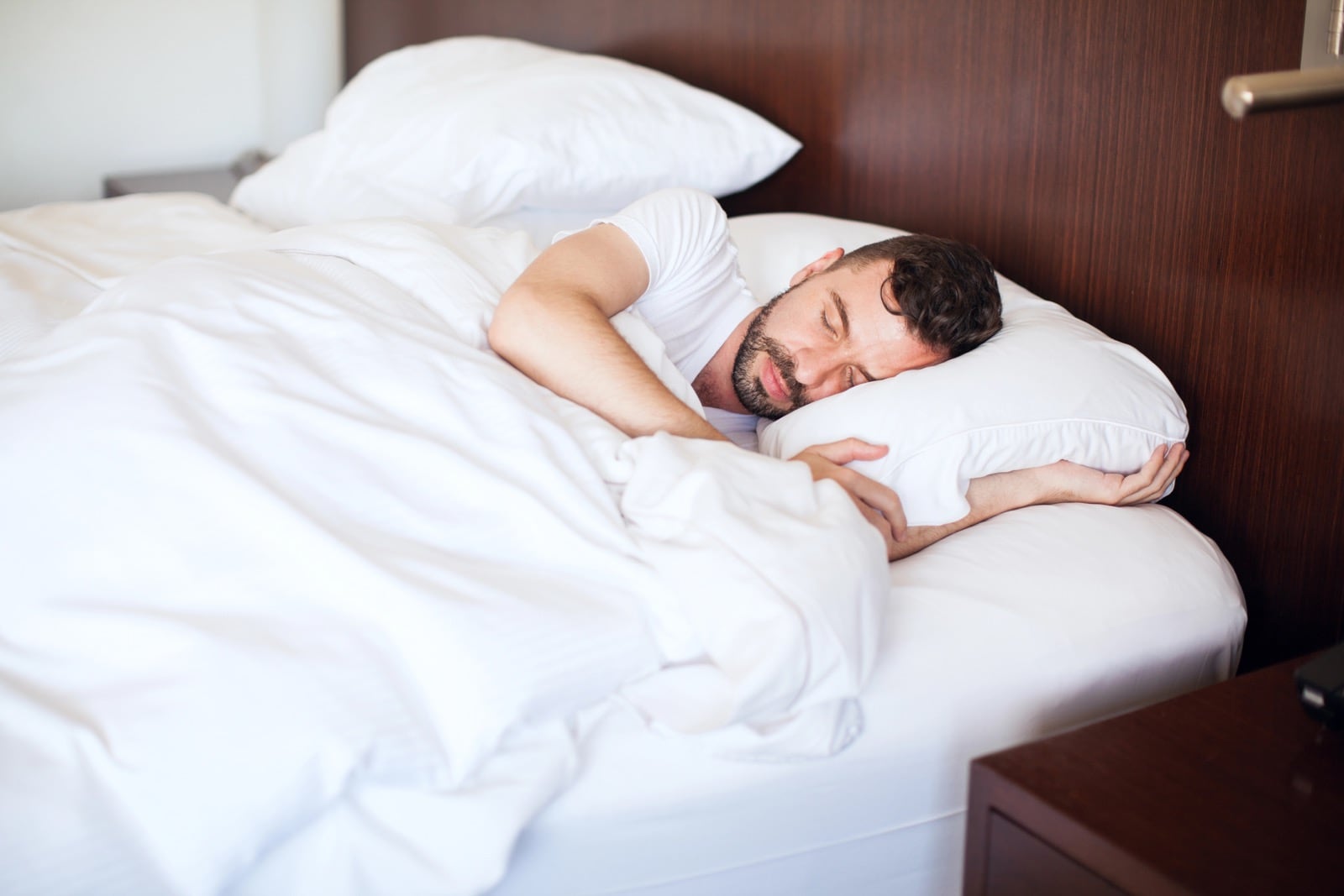
All of that matters, but it overlooks where most recovery actually happens, which is in a person’s own bed once they are home. The quality of the home sleep setup quietly determines how quickly and completely a traveller bounces back, and it is the part of recovery most within their control.
Recovery Happens at Home
The reason is that travel runs up a sleep debt that has to be repaid somewhere. Disrupted schedules, unfamiliar beds, poor conditions, and the first-night effect all degrade sleep while away, leaving the body short of the deep, restorative rest it needs. That shortfall does not simply vanish on landing; it is repaid, if at all, through good sleep afterwards, which means the home bed is the primary site of recovery, not the aeroplane or the airport lounge.
Repaying the Sleep Debt
A home setup that delivers deep, uninterrupted sleep therefore speeds recovery directly, while a poor one prolongs it. Someone returning to a comfortable, supportive, well-conditioned bed recovers quickly, the debt repaid over a few good nights. Someone returning to a sagging mattress in a too-warm, too-bright room recovers slowly or not at all, the travel deficit layered on top of chronic poor sleep at home. The home bed is the difference between bouncing back and staying depleted. The body keeps a fairly accurate account of this debt, and it collects one way or another; the only question is whether repayment happens promptly at home or drags on as a low background fatigue. A good home setup is what makes prompt repayment possible.

The Mattress at the Centre
The mattress is the centre of this, since it governs how deep and unbroken the recovery sleep is. A surface that supports the body properly and feels comfortable allows the long, undisturbed stretches in which the body does its repair work. For a traveller whose system is already taxed, a good home mattress is the workhorse of recovery, the thing that lets the body finally rest properly after days of compromised sleep.
The Setup Is More Than the Mattress
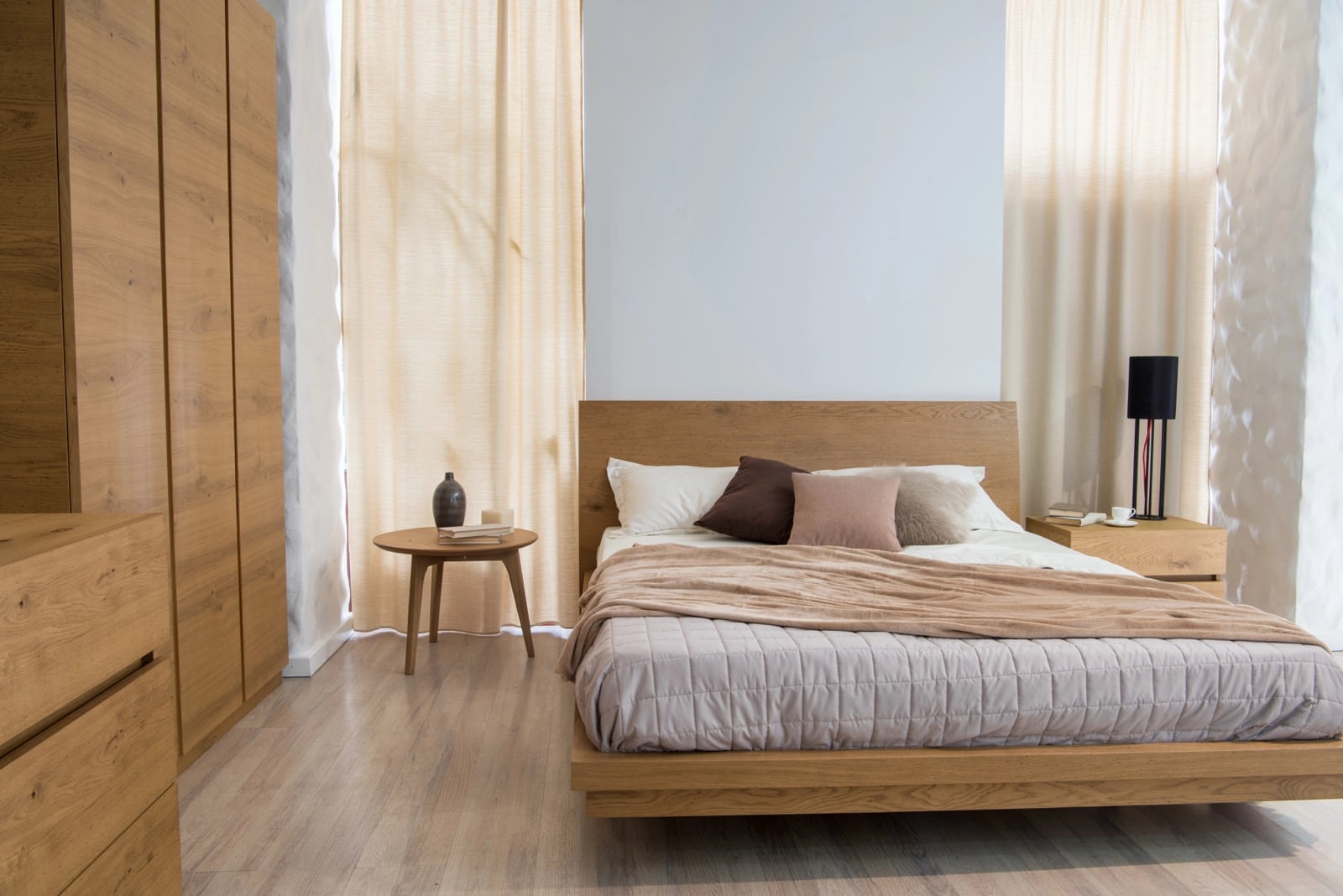
What is easy to forget is that a sleep setup is more than the mattress alone. The base underneath it shapes how the mattress performs, providing the stable, even support a mattress needs to do its job. A good mattress on a sagging or unsuitable base underperforms, dipping and flexing where it should stay firm, which is precisely why a sturdy base to pair with your mattress is part of getting the recovery setup right rather than an afterthought to it. The surface can only be as good as what holds it up.
Run the Room Cool
Temperature control is the next pillar of a recovery-friendly setup. After the overheated rooms that travel so often serves up, the home bedroom should run cool, with breathable bedding that releases heat and a room kept at a sleep-friendly temperature. The body recovers fastest in the cool, dry conditions that allow deep sleep, and arranging these permanently at home gives the returning traveller exactly what the road denied them. A cool room also supports the natural temperature dip the body makes in the small hours, the point at which sleep is meant to be deepest. It is exactly the moment an overwarm room most often causes a returning traveller to surface, undoing the recovery just as it should be at its most effective.
Darkness and Quiet
Darkness and quiet matter just as much for recovery as for ordinary sleep. A bedroom with proper blackout and low noise lets the body sink into the deep stages without the interruptions that travel was full of. For a person trying to repay a sleep debt, every awakening is a setback, so a home environment engineered to prevent them, dark, quiet, undisturbed, lets the recovery proceed efficiently rather than in fits and starts.

Consistency Re-Anchors the Clock
Consistency accelerates the whole process. The internal clock, scrambled by travel and time zones, re-entrains fastest against a stable, predictable home routine: the same bedtime, the same dark cool room, the same comfortable bed. A traveller who returns to a consistent setup helps their body find its rhythm again quickly, whereas an erratic home routine leaves the clock adrift even after the trip is over.
The Compounding Effect, and What a Traveller Controls
There is a compounding effect over a travelling life. Each trip runs up a debt, and a good home setup repays it before the next trip adds more, keeping the traveller roughly in balance. A poor home setup lets the debts stack, trip after trip, into the chronic exhaustion that frequent travellers often carry. The home bed, over months and years, is what decides whether travel is sustainable or quietly corrosive.
This reframes recovery as something a person largely controls, which is encouraging. The road is unpredictable and the beds there are pot luck, but the home setup is entirely within a traveller’s hands. Investing attention in the home bed, mattress, base, bedding, and the room conditions around them, is investing in faster, fuller recovery from every trip, and it is the part of the equation a traveller can actually fix.
Travel recovery, properly understood, is mostly a home affair. The body repays its sleep debt in its own bed, and how well it does so depends on the setup waiting there: a supportive mattress on a sound base, in a cool, dark, quiet room, used consistently. Get that right and the traveller recovers quickly and keeps travelling well. Neglect it, and no amount of in-flight technique will stop the deficits from mounting. The journey ends, after all, in one’s own bed.
Photo source: depositphotos.com














Write Your Comment
Please DO NOT include links, URLs or HTML in your comments - they will be automated deleted and you will waste your time.