Hiking boots take more abuse on a multi-day trek than almost any other piece of gear, since they're in contact with the ground for eight or more hours a day across mud, scree and river crossings.
Boots that feel great on a short test walk around the store don't always survive a week of rough terrain under a loaded pack, and failures that show up on day four rarely show up during a quick fitting, whether that's a sole peeling from the upper, stitching pulling loose, or a mesh panel blowing out at the toe, which is why durability deserves as much attention as fit and cushioning.
Choosing boots for a demanding, multi-day route means looking past the marketing copy on the box and paying attention to materials, construction, fit and how a boot performs once it's broken in and carrying real weight. The sections below cover what actually holds up on the trail, from upper materials and support to soles that keep their grip after hundreds of miles.
Getting the Fit Right First
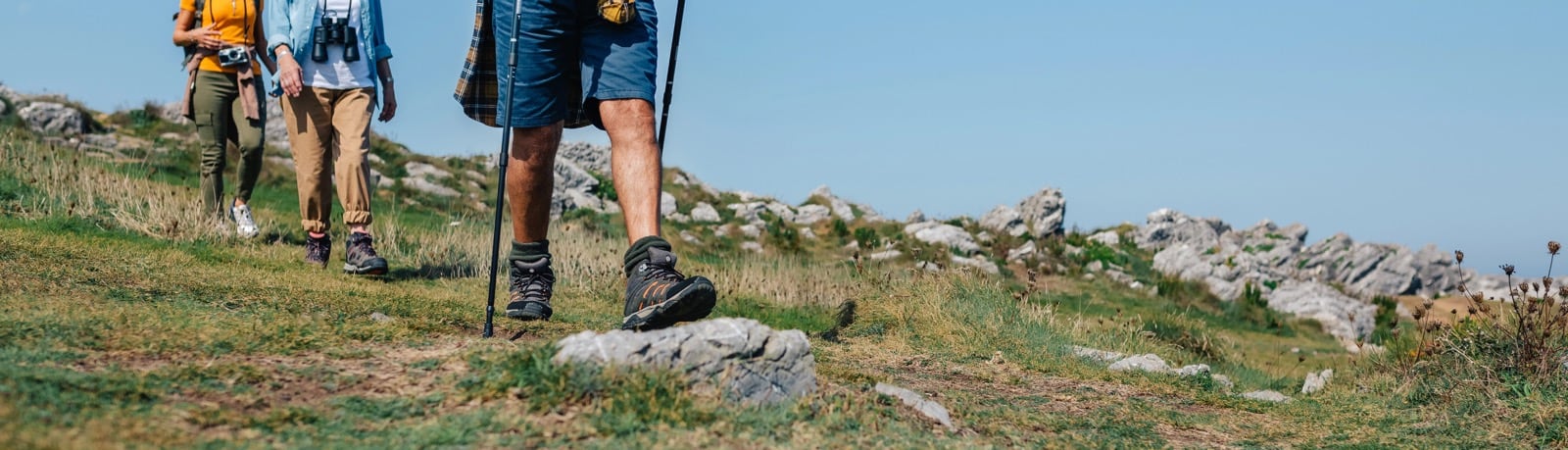
Feet swell over a long hiking day, sometimes by half a size, so boots that feel snug in a fitting room can turn painfully tight eight miles into a trek. Try boots on in the afternoon, wearing the socks you plan to hike in, and leave room in the toe box to wiggle your toes, especially on steep descents when your foot slides forward. Width matters as much as length, since a boot that pinches across the ball of the foot causes pain no break-in period fixes. A heel that lifts slightly in the store usually gets worse once the upper has broken in, so lace it snug through the ankle and test it on any incline available.
Support and Stability for a Loaded Pack
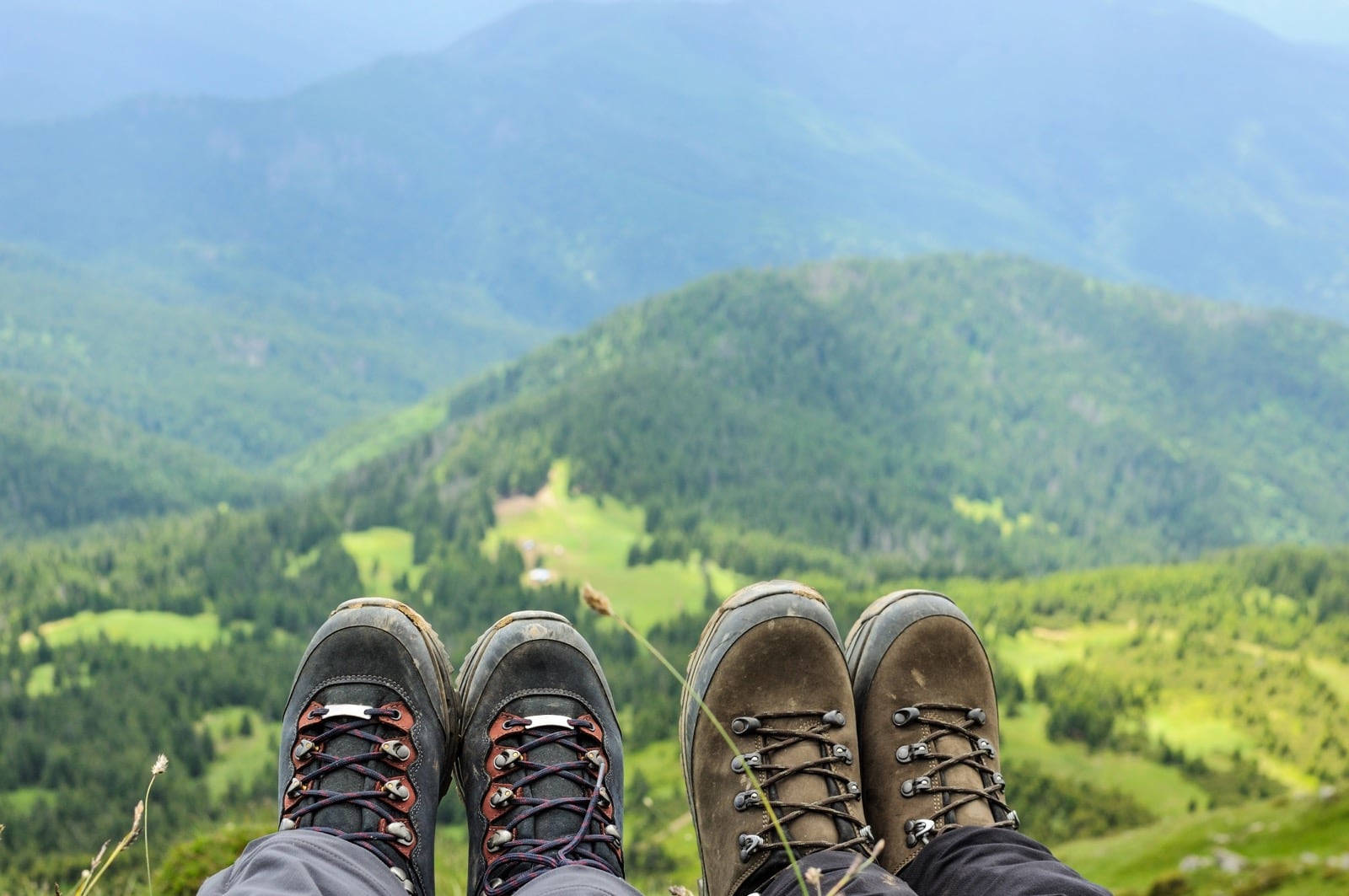
Loaded backpacks shift your center of gravity backward and add weight your ankles and knees absorb with every step, especially on uneven ground. A stiffer midsole protects the arch and ball of your foot from sharp rocks a flexible trail shoe would let you feel directly, and a higher ankle collar limits the rolling motion that causes sprains on loose scree or tangled roots. A supportive shank adds torsional rigidity, keeping the boot from twisting on a slanted rock face with thirty pounds on your back. Some boots also build in a slight rocker shape at the sole, easing the push-off effort your calves repeat thousands of times a day. That extra stiffness adds weight, so the balance depends on your pack's actual load.
Materials and Durability on the Trail
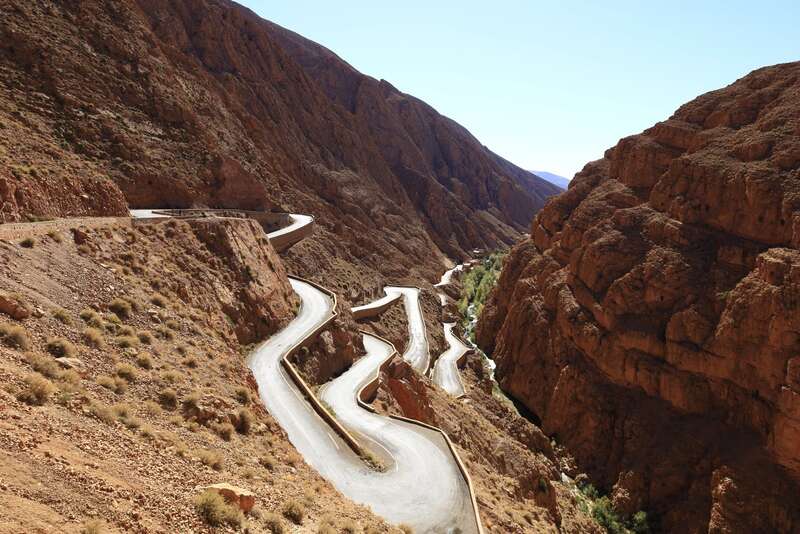
Upper material affects how well a boot handles repeated abrasion from rocks, brush and pack straps, and it's usually the first place a boot shows its age. The stunning Torres del Paine trail's scree fields and river crossings tend to expose a weak sole or failing stitching within days, which is why upper material matters as much as fit.
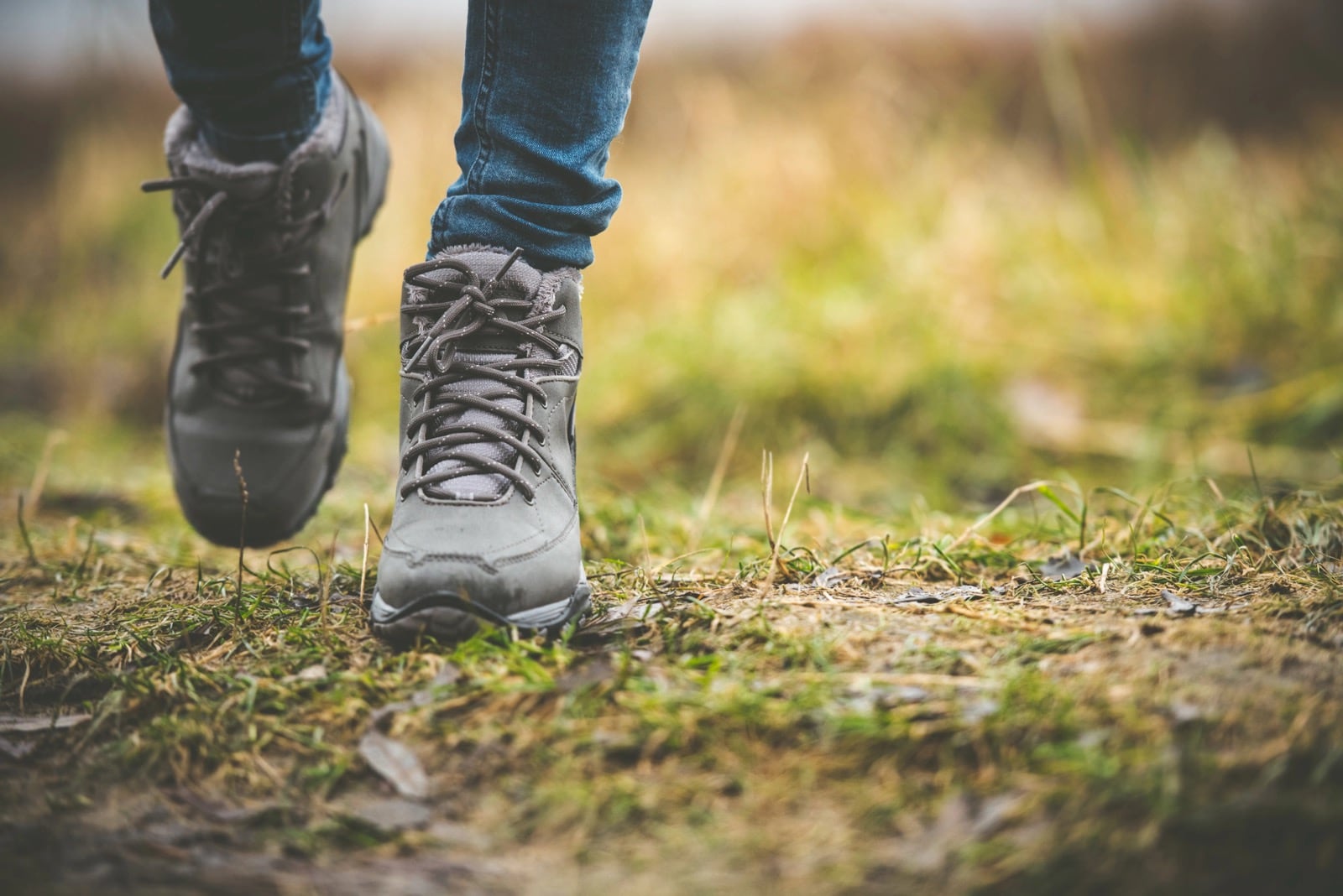
Full-grain leather: The most durable option, it resists punctures and scuffs better than almost anything else, though it takes longer to break in, adds weight, and needs occasional conditioning to stay supple.
Synthetic and mesh: These uppers are lighter and dry faster after a river crossing, but the fabric panels tend to wear at the toe box and eyelets sooner than leather does, especially on routes with a lot of scrambling.
Hybrid uppers: Combining leather panels in high-wear zones with lighter synthetic elsewhere gives a middle ground between weight and toughness, which is why many mid-range backpacking boots use this build. Whichever upper you choose, stitching and glue bonds at the toe and heel tend to fail before the material itself wears through, so construction matters as much as the label.
Breaking Boots In Before You Leave
Start breaking in new boots with short walks on pavement to soften the material, then move to loaded day hikes that gradually build up distance and pack weight over several weeks, aiming for twenty to thirty miles of varied terrain before you commit to a multi-day route. Pay attention to hot spots along the heel and toes, since these usually point to a lacing adjustment or an insole swap rather than the wrong size. Carrying blister tape and spare socks on these test hikes keeps a hot spot from turning into a torn-open blister before the real trip.
Weatherproofing Without Overheating Your Feet
Waterproof membranes keep rain and stream crossings out, but they also trap heat and moisture that would otherwise escape through a breathable upper. Gear reviewers who left boots submerged for sixteen hours straight found that the pairs with fully sealed seams and a durable upper stayed dry inside, while a waterproof liner alone couldn't make up for a leaky seam or a worn-out coating on the outer fabric. For hot, dry climates with few water crossings, a breathable, non-waterproof boot often keeps feet more comfortable, since sweat evaporates instead of sitting against skin. Reapplying a water-repellent treatment each season helps shed light rain after the factory coating wears off.
Soles and Traction on Mixed Terrain
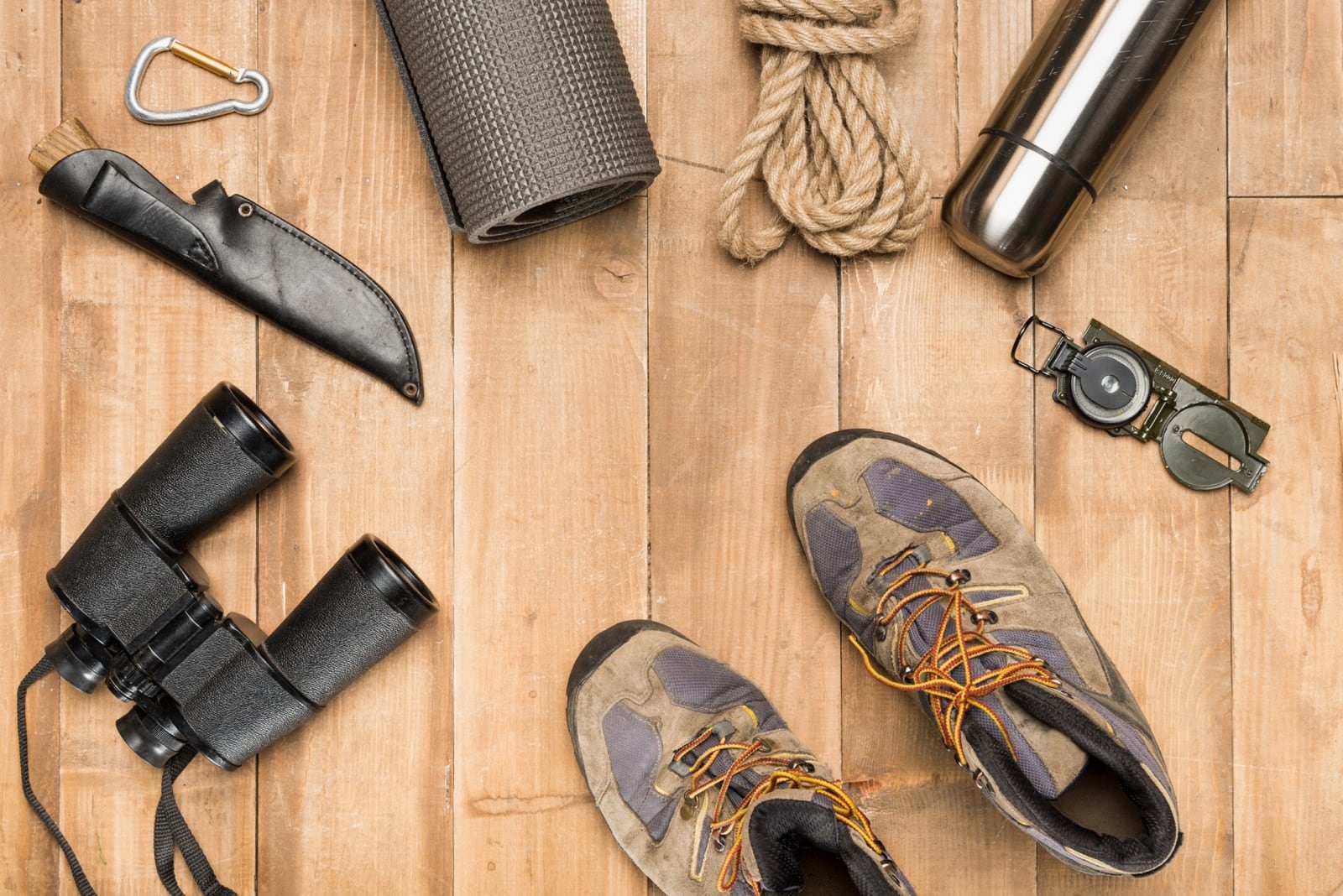
Outsoles lose their grip long before the rest of a boot looks worn out, which makes tread condition worth checking before every big trip. How well an outsole grips depends on lug shape and spacing as much as the flexibility of the rubber and how that combination interacts with the surface underfoot, so an aggressive lug pattern built for loose scree can feel less secure on smooth, wet rock than a flatter, stickier tread. Deep, widely spaced lugs shed mud well, while closer, shallower lugs grip better on rock and hard-packed trail. Full-grain leather boots also have an advantage, since many models can be resoled once the tread wears down, extending the boot's life well beyond its first soles.
Trying boots on late in the day, with the socks and insoles you'll actually use, predicts performance better than any spec sheet. Match the materials, support and tread to the route ahead, break them in over real miles, and a well-chosen pair should carry you comfortably through more than one multi-day trip.
Photo source: depositphotos.com










Write Your Comment
Please DO NOT include links, URLs or HTML in your comments - they will be automated deleted and you will waste your time.