Starting a vlog in 2026 may feel deceptively simple. You need a cool idea, a voice, and a good-quality camera.
But what actually gets challenging is finding that “good-quality camera," especially when you are spoiled for choice among sensors, megapixels, frame rates, lenses, and stabilization features.
The good news? You don’t really need to be tech-savvy to understand every feature a vlogging camera offers. You just need to know what you want to capture in your vlog and find features that support it. This article breaks down the key factors you should consider to find the best vlogging camera for your vlogging journey.
Think What You Want to Vlog About
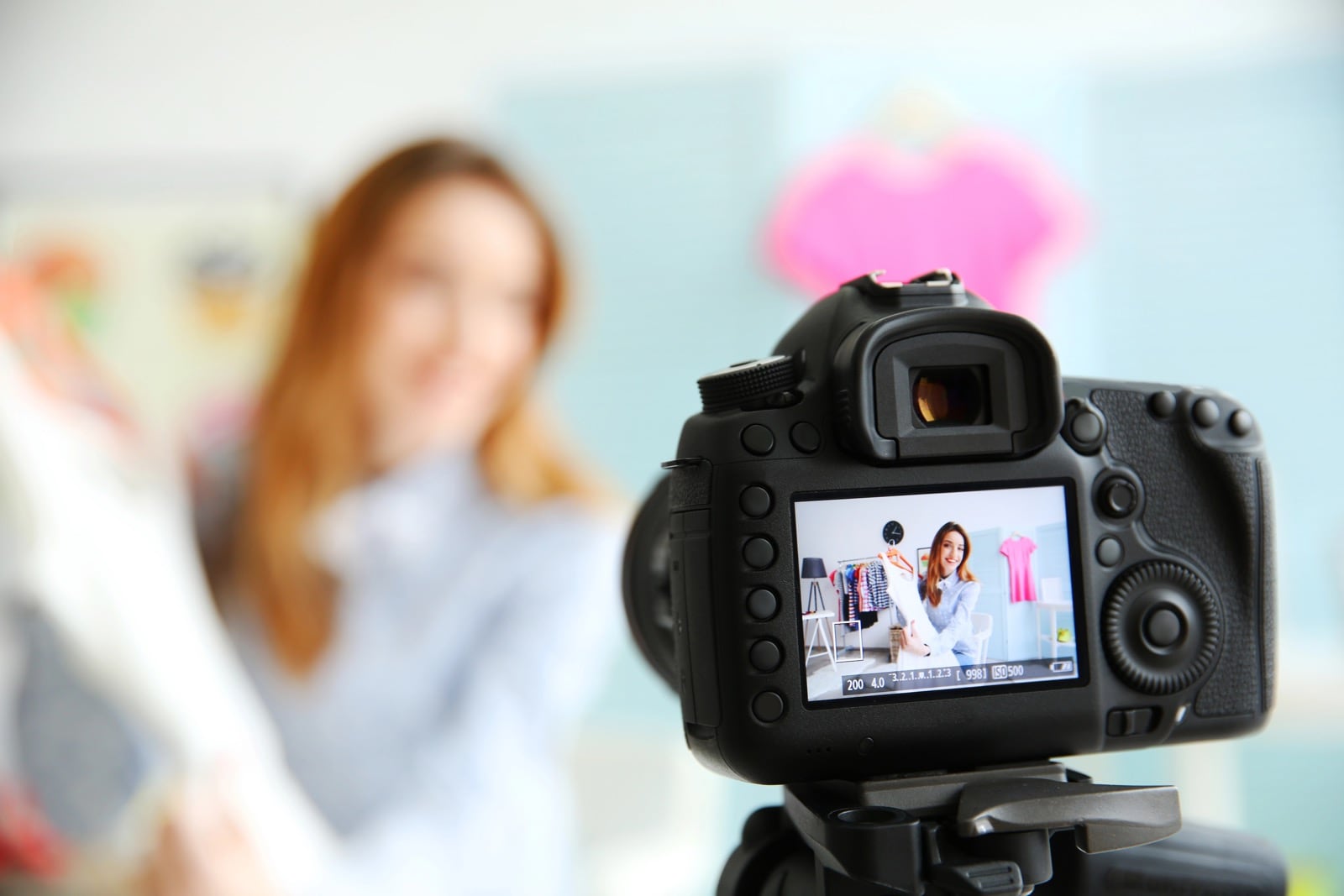
Before you visit every store in your area or spend hours browsing options on every online site you can find, think about what you actually want to vlog. Do you want to start a travel blog for your travel diaries? Or maybe sit at a desk and talk to the camera? It could be about fitness, daily lifestyle, politics, food, or tutorials.
You need to be clear about the content you want to create because each style comes with unique demands. For example, compact size and stabilization matter more for handheld travel videos than a camera with an enormous sensor. And if you want to create indoor talking-head videos, autofocus, low-light performance, and audio connectivity should be your top priorities.
So, before searching, write down where, what, and how you want to shoot. Knowing your filming habits and content type can help to shape your camera choice.

Chase Autofocus, Not Megapixels
A sharp 4K image won’t do you any good if your face constantly drifts out of focus. Reliable focus is what matters most when you are filming on your own, especially for product showcases. You want a smart autofocus system to quickly shift focus from your face to the object and back when you hold an item up to it. Slow or inconsistent contrast-detection autofocus will only lead to refocusing and reshooting.
In short, prioritize consistent focus over high megapixel counts to ensure your face remains sharp when you are moving, cooking, or showcasing a product.
Stabilization Matters More Than You Think
Vlogging usually involves moving. You might be holding a camera while exploring a place, walking through a popular market, or recording a spontaneous moment with people close to you. Without stabilization, those clips can become shaky and uncomfortable for viewers to watch. Cameras with in-body image stabilization (IBIS), optical lens stabilization (OIS), or electronic stabilization (EIS) can reduce annoying shakes and smooth out the bumps when you walk and film at the same time. A mechanical gimbal also keeps your camera stable while you are in motion.
Smooth videos make your content look professional, give you clearer walking shots, and reduce the chances of your audience feeling motion sickness when watching your videos. However, stabilization can sometimes crop the image. For a wide field of view, remember to check how much cropping occurs in different modes.
Microphones Can Be a Gamechanger
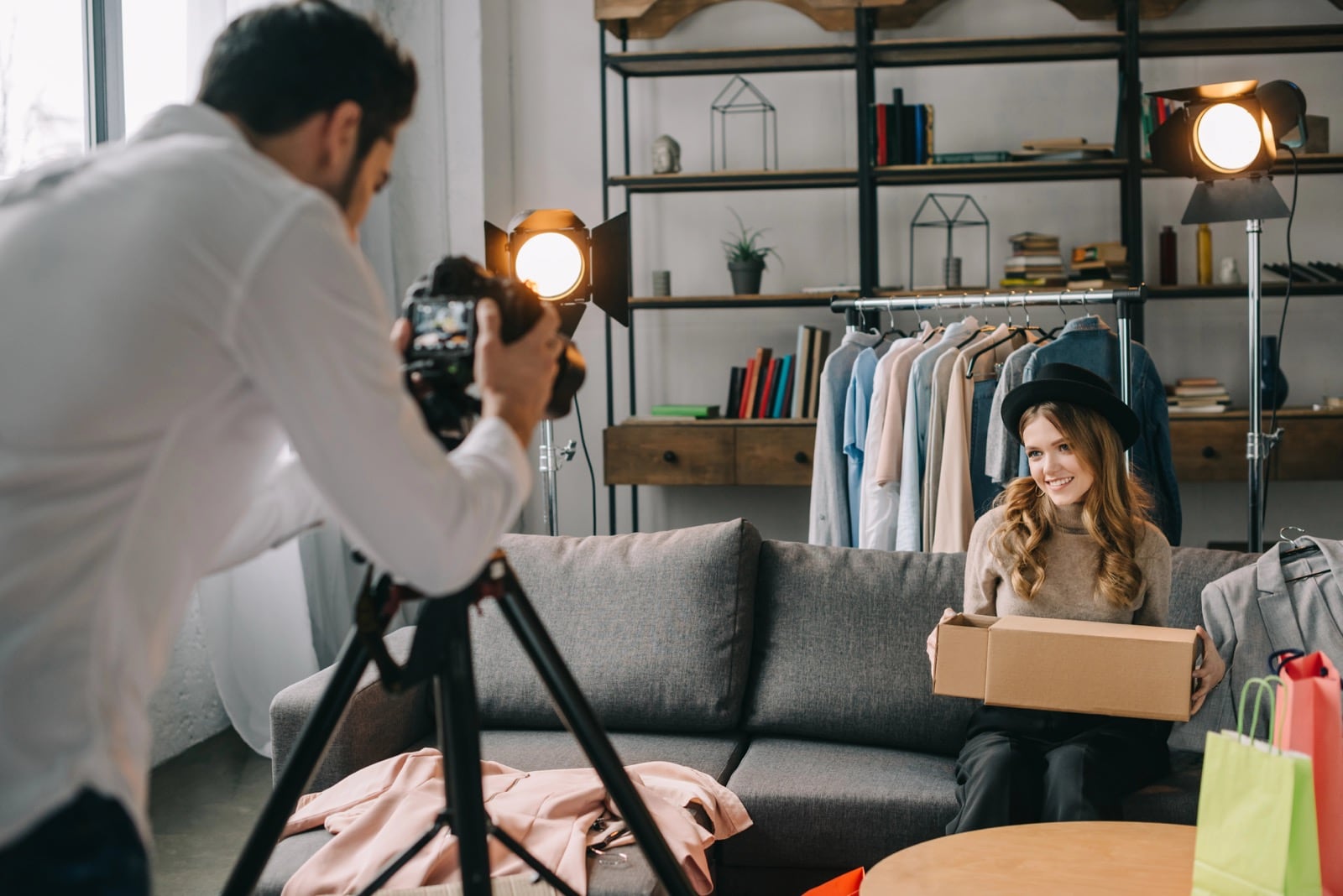
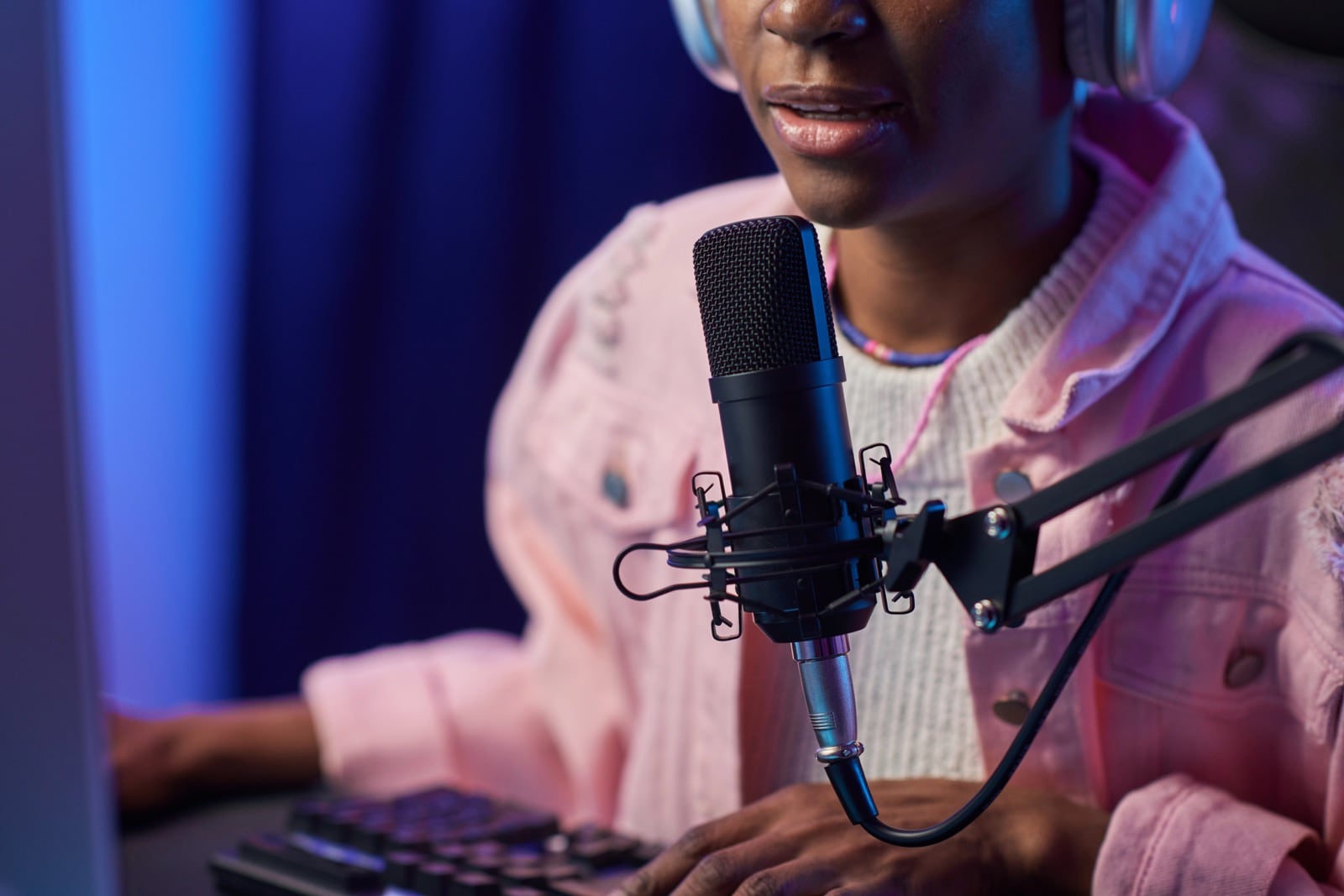
Viewers can tolerate imperfect or low-resolution images but not videos with muffled, echoey, or wind-blasted sound. Built-in microphones work fine in quiet environments but may pick up noise from traffic, wind, conversations, or other distractions when outside. If viewers struggle to hear your voice due to constant background noise, they may leave. That’s why wireless clip-on mics are popular with vloggers for clean, natural-sounding audio without messy cables.
Whether you are cycling, hiking, trail running, or creating other high-movement outdoor content, these clip-on microphones reduce common audio challenges and are easily compatible with cameras, smartphones, and laptops.
Battery Life Can Make or Break Your Shoot
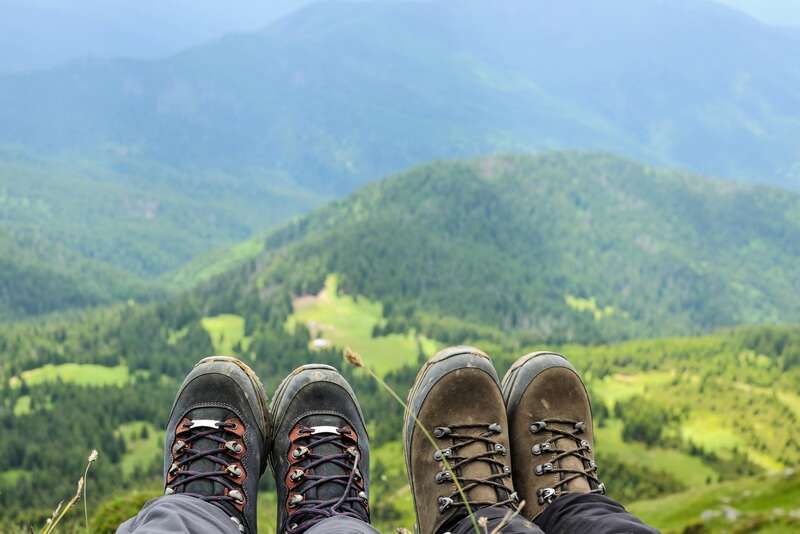
Nothing can be more frustrating than finding the perfect spot in the valley only to watch your battery indicator turn red. A reliable power system reduces interruptions and the hassle of frequent battery swaps. If you frequently vlog outdoors, always carry spare batteries or use external power sources.
Your settings matter too. High screen brightness or multiple wireless features can quickly drain your battery. So adjust your settings as needed when out for a long shoot.
Make Vlogging Fun and Easy With the Right Camera
Finding the best camera for vlogging does not have to be a research marathon. Decide what you want to create and identify the features that will help with filming, and then compare models. Remember, the goal is to find a dependable tool that captures your ideas, not to own the most advanced camera without a clear purpose.
Photo source: depositphotos.com










Write Your Comment
Please DO NOT include links, URLs or HTML in your comments - they will be automated deleted and you will waste your time.