The Dominican Republic has always been one of those places that feels almost too easy to dream about: warm water, soft sand, resort pools, coconut palms, and that lovely Caribbean pace where no one seems to be checking the clock quite as often as you are.
But when you’re travelling as a family, “easy” only happens when the boring bits are sorted first.
That’s why, before I even let myself get carried away looking at Punta Cana beaches or Santo Domingo food tours, I check the practical stuff: passports, onward tickets, arrival forms, and the latest Dominican Republic travel requirements for U.S. citizens.
I’ve learned the hard way over the years that a smooth family trip doesn’t start at the hotel pool. It starts at the airport check-in desk, when everyone’s documents are ready, and no one is frantically searching through screenshots.
For families, long-term travellers, and anyone trying to keep a Caribbean escape relaxed rather than chaotic, here’s how I’d plan a Dominican Republic trip now, based on the kind of real-world details that matter when you’re travelling with kids, carry-ons, snacks, and a limited supply of patience.
Why the Dominican Republic Works So Well for Families
The Dominican Republic has that rare combination families love: beautiful beaches, a good range of hotels, direct flight options from many U.S. cities, and enough variety that you can make the trip as active or as lazy as you want.
Punta Cana is the obvious choice for a first family visit.
It’s resort-friendly, the airport is convenient, and many hotels are geared toward families with pools, kids’ clubs, buffet options, and beach activities. If your idea of a successful family holiday involves unpacking once and not negotiating restaurant choices every night, this is probably where you’ll start.
But the country is more than Punta Cana:
- Santo Domingo offers colonial history, music, plazas, and a completely different energy.
- Samaná is greener and wilder, with whale-watching in season and beaches that feel a little less polished.
- Puerto Plata has cable cars, a coastline, and a nice balance between resort comforts and local exploring.
Travel With Bender has covered the country’s culture and history before, and this guide to the culture of the Dominican Republic is a useful read if you want your trip to go beyond the hotel buffet.
What to Sort Before You Fly to the Dominican Republic
When I’m planning a family trip, I usually make one boring-but-essential folder. It has passport copies, hotel bookings, return flight details, travel insurance, transfer confirmations, and any required entry forms. Not glamorous, but it saves your sanity.
U.S. travelers should check official entry guidance before departure. The U.S. Department of State’s Dominican Republic travel page includes current safety information, entry and exit notes, and embassy details. It’s not the most exciting reading, but it is the sort of page I like to scan before booking non-refundable plans.
Another detail that matters: travelers may be asked for proof of onward or return travel. Foreign passengers traveling to and from the Dominican Republic must have an air ticket to and from the country, with some exemptions for Dominican nationals and foreign residents.
Choosing the Right Base
Punta Cana: Easy Mode for Families
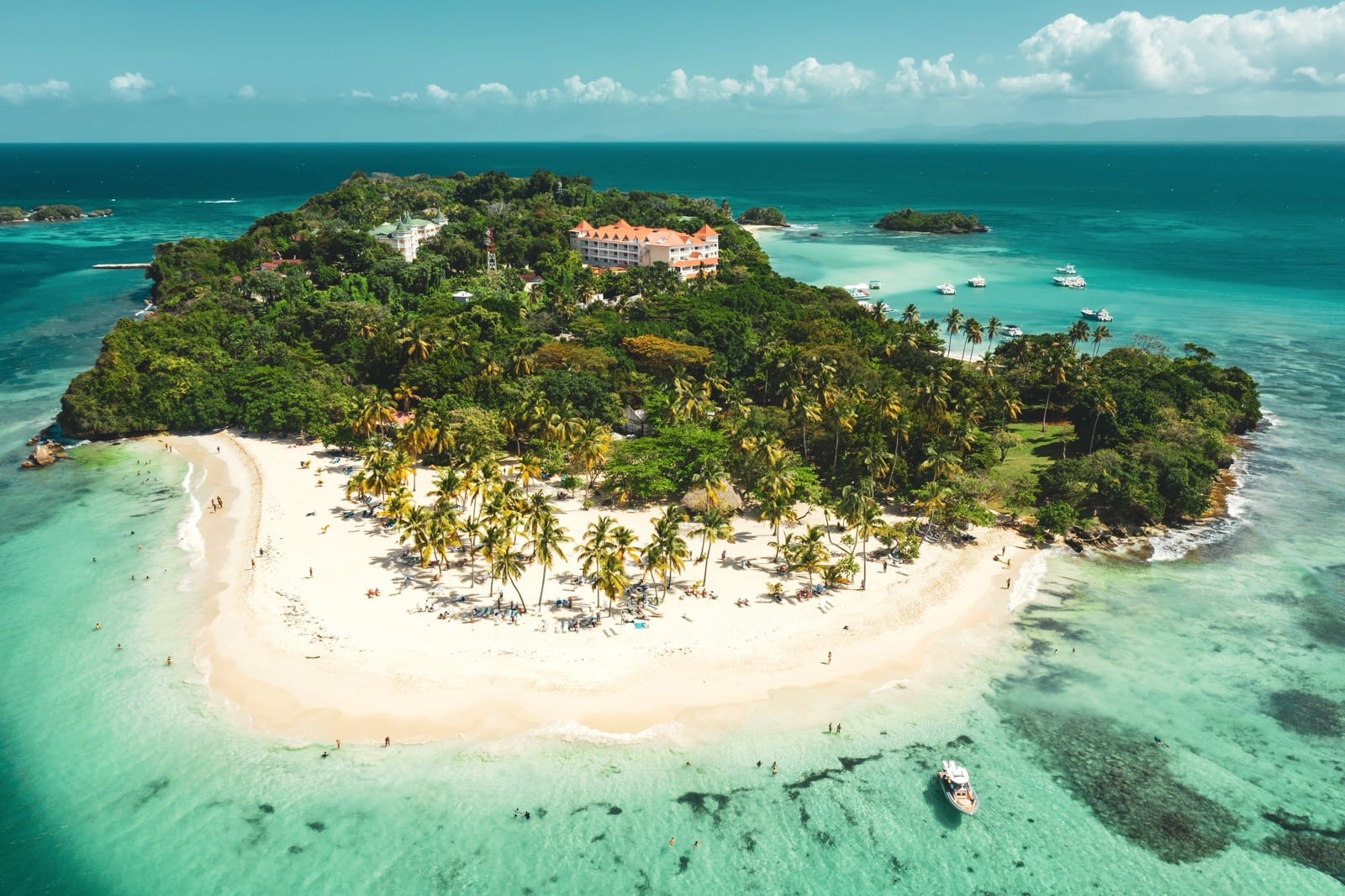
Punta Cana is the destination I’d recommend for families who want the least complicated version of the Dominican Republic. The beaches are beautiful, transfers are straightforward, and there are plenty of resorts where children can splash, snack, and nap without needing a tightly planned itinerary.
The trick is choosing the right hotel for your family’s travel style. Some resorts are lively and activity-heavy, while others are quieter and better for families with younger kids who still need downtime.
I always look for shade around the pool, shallow swimming areas, flexible dining hours, and rooms that don’t require a long walk every time someone forgets their goggles.
Santo Domingo: Culture, Colour, and Short Stays
Santo Domingo is better for families with older kids or curious travelers who like history and city energy.
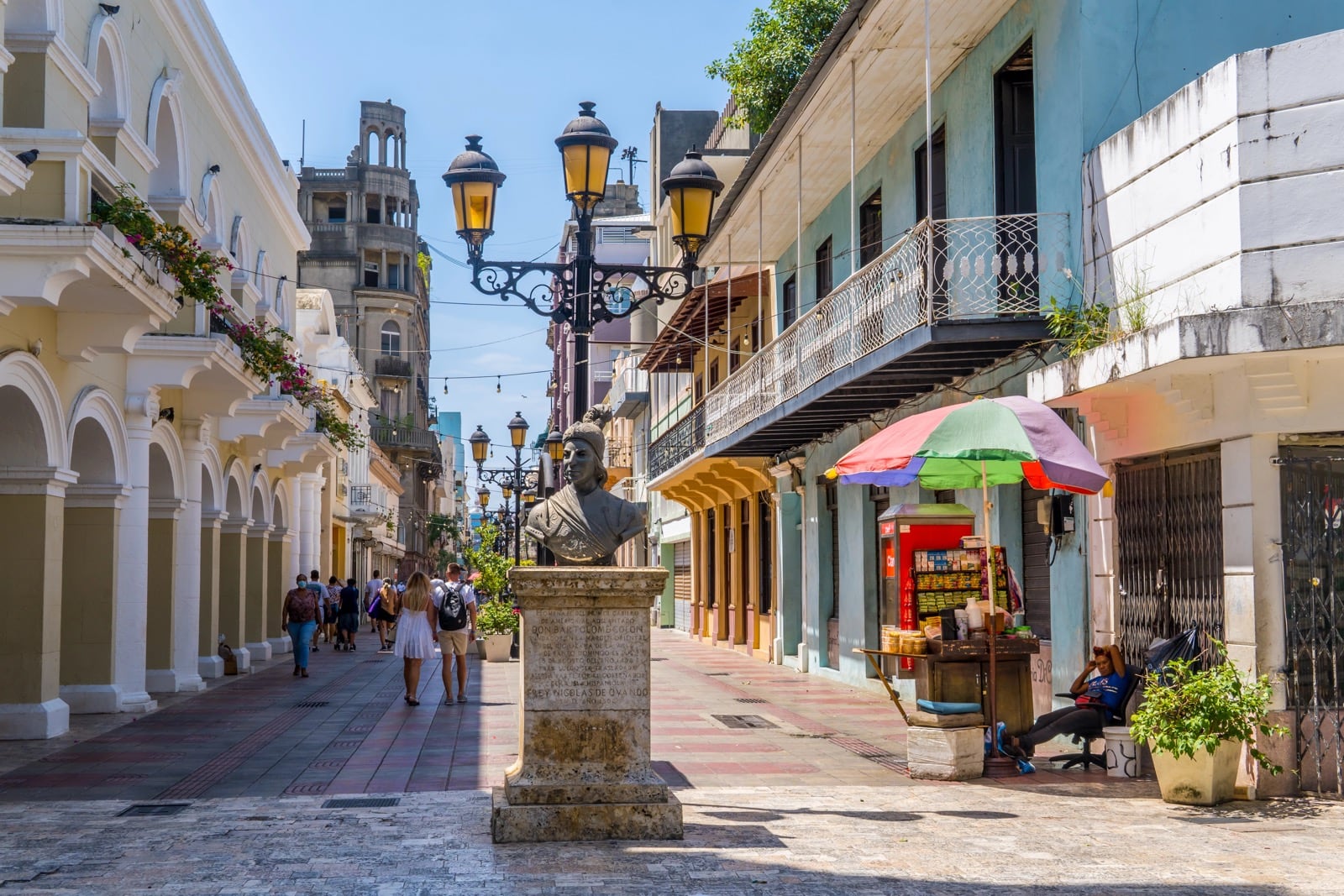
The Colonial Zone is walkable, atmospheric, and full of places to pause for snacks or cold drinks. It’s not where I’d spend a full week with toddlers, but two nights before or after a beach stay can add a lot of depth to the trip.
Samaná: Nature and Slower Travel
Samaná is for families who want something more natural and less resort-focused. It’s gorgeous, especially if you like lush landscapes and boat trips, but it usually requires more planning.
Transfers can be longer, and activities may be less stroller-friendly. For families travelling slowly, though, that is part of the charm.
Packing Lessons I’d Actually Use
I no longer pack for the fantasy version of family travel. I pack for sunscreen spills, wet swimsuits, hungry children, delayed flights, and the mysterious disappearance of at least one sandal.
For the Dominican Republic, I’d bring reef-friendly sunscreen, insect repellent, lightweight long-sleeve layers, swim shirts, a basic first-aid kit, and reusable water bottles. A few familiar snacks are helpful for arrival day, especially if you land late or your kids are suspicious of new foods when tired.
For health planning, the CDC’s Dominican Republic traveler guidance is a useful resource for routine vaccines, food and water precautions, and destination-specific health notes.
And here’s a small but important one: bring a pen. Yes, everything is increasingly digital, but somehow pens still become priceless during travel days.
Food, Water, and Family Rhythm
Dominican food is family-friendly in the best way: rice, beans, chicken, plantains, fresh fruit, grilled fish, and simple dishes that work well for children who don’t want anything too spicy.
At resorts, food is usually easy. Outside resorts, I like to ask hotel staff where they would take their own family for lunch.
With kids, I’m cautious about water. We stick to bottled or filtered water, avoid ice unless we’re confident about the source, and keep hand sanitizer close. That might sound fussy, but nothing ruins a beach trip faster than a stomach bug.
I also try not to schedule too much. One activity a day is enough in tropical heat. Beach in the morning, lunch, rest, pool, dinner. That rhythm may not look impressive on Instagram, but it works.
Safety and Common Sense
The Dominican Republic is a popular destination, but normal travel awareness still applies. I avoid flashing expensive items, use hotel safes, book transfers through reputable providers, and keep copies of important documents separate from the originals.
When moving around with kids, I prefer pre-arranged transport over negotiating taxis after a long flight. It costs more sometimes, but arriving to someone holding your name on a sign is worth every dollar when everyone is hot and tired.
Before You Go: My Family Checklist
Documents
Check passport validity for every traveler, including children. Make sure names match flight bookings exactly. Save digital copies and carry printed backups.
Entry Forms
Complete any required e-ticket forms before travel and keep the QR code or confirmation accessible. I usually screenshot everything and email it to myself too.
Flights
Have proof of return or onward travel ready. Don’t assume you’ll only need it at immigration; airlines may ask before boarding.
Insurance
Choose travel insurance that covers medical care, delays, cancellations, and activities you plan to do. Families travelling for more than a quick resort stay should pay extra attention to medical coverage.
First Day Plan
Keep arrival day simple. Book transport, know where dinner is coming from, and don’t plan anything ambitious. The first win of any family trip is getting everyone fed, showered, and asleep.
Final Thoughts
The Dominican Republic can be a brilliant family destination: warm, generous, beautiful, and surprisingly flexible. You can spend a week doing almost nothing beside the sea, or you can build a trip around history, food, nature, and local culture.
But the real secret is preparation. Sort the paperwork, check official guidance, plan the first 24 hours carefully, and leave space in the itinerary for the slow, funny, imperfect moments that make family travel memorable.
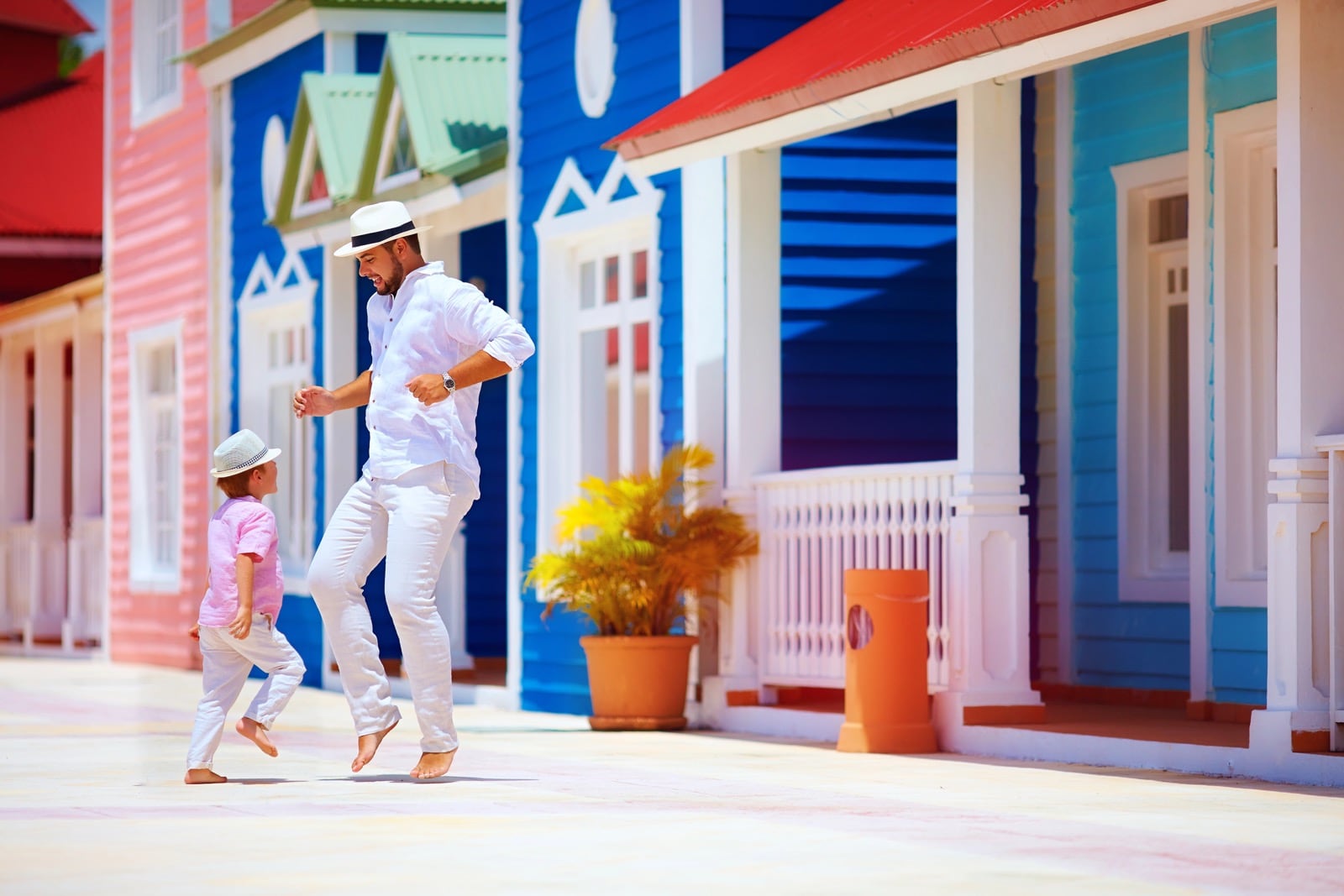
Because years later, the kids probably won’t remember whether the hotel had the biggest pool. They’ll remember jumping waves, trying a new fruit, dancing to music they heard in the street, and staying up just late enough to feel like the whole trip was an adventure.
Photo source: depositphotos.com







Write Your Comment
Please DO NOT include links, URLs or HTML in your comments - they will be automated deleted and you will waste your time.